 RU
RU
 DE
DE
 FR
FR
 ES
ES
 PT
PT
 AR
AR


Foreigners can obtain a Portugal residence permit by investment of EUR 200,000 or more. This amount is a non-refundable charitable contribution to support cultural projects in low population-density areas. Other options include supporting scientific research, purchasing a stake in Portuguese foundations or investing in businesses. Digital nomads only need to prove an income of EUR 3,280 per month or more. The residence permit is issued for a minimum of one year, with the possibility of extension. After five years of residence, investors and their family members can apply for permanent residence or citizenship. Permanent residence in the country is not required for investment residents; staying for just seven days a year is sufficient.
Content
Benefits of Portugal residence permit
The Portuguese residence permit offers numerous opportunities for investors and their families.
The key benefits of obtaining legal status in Portugal include:
- Visa-free travel within the Schengen area: Residents can visit Schengen member countries without a visa and stay for up to 90 days within 180 days.
- Second home abroad: A residence permit allows you to freely travel to Portugal at any time and stay for extended periods. It’s ideal for those who want to own a home in Europe for permanent residence, holidays or business activities.
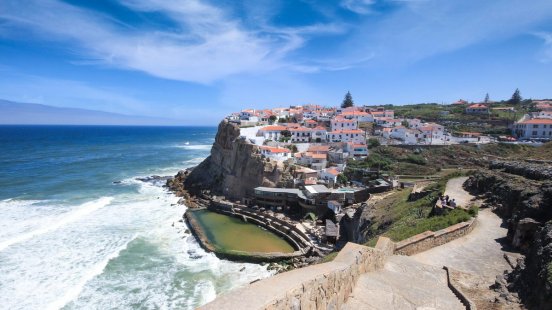
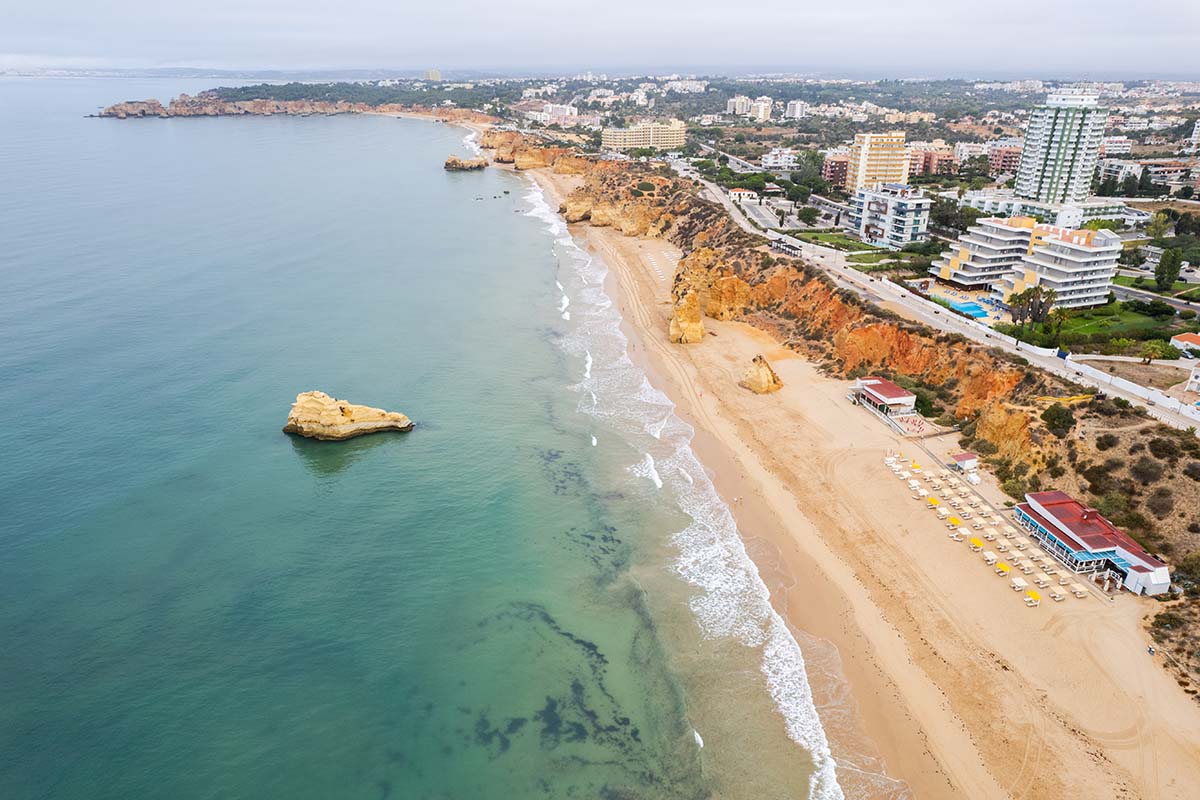
- Life by the ocean: The country offers over 300 days of sunshine a year and 940 kilometres of coastline along the Atlantic Ocean, providing excellent conditions for surfing, diving, yachting and fishing. The country’s clean environment, picturesque landscapes and delicious cuisine, featuring fish, seafood, fresh vegetables, cheeses and olive oil, promote a healthy lifestyle.
- Access to healthcare and education: Residents can benefit from a well-developed healthcare system that includes both public and private clinics. Public services are either free or available at a reduced cost, while private services require additional fees or insurance. Children of investors can attend Portuguese schools, universities and international educational institutions, opening up significant career opportunities.
- Work and business in Europe: Holders of a residence permit and their families have the right to work in Portugal and register a business. They gain access to the European market, highly qualified personnel, modern infrastructure and government support for start-ups and innovative projects.
- EU passport after five years: Residents can apply for permanent residence or citizenship after five years of residence, provided they meet the programme’s conditions. The Portuguese passport allows holders to live in any European Union country and visit 190 countries freely, including the US, Canada, the UK and Australia.
- Citizenship for newborns: A child born in the country will receive citizenship if at least one parent had a residence permit for at least one year before the birth.
- High level of security: Portugal ranks fourth in the world for security in the Global Peace Index 2023, making it an attractive destination for peaceful living for the whole family.
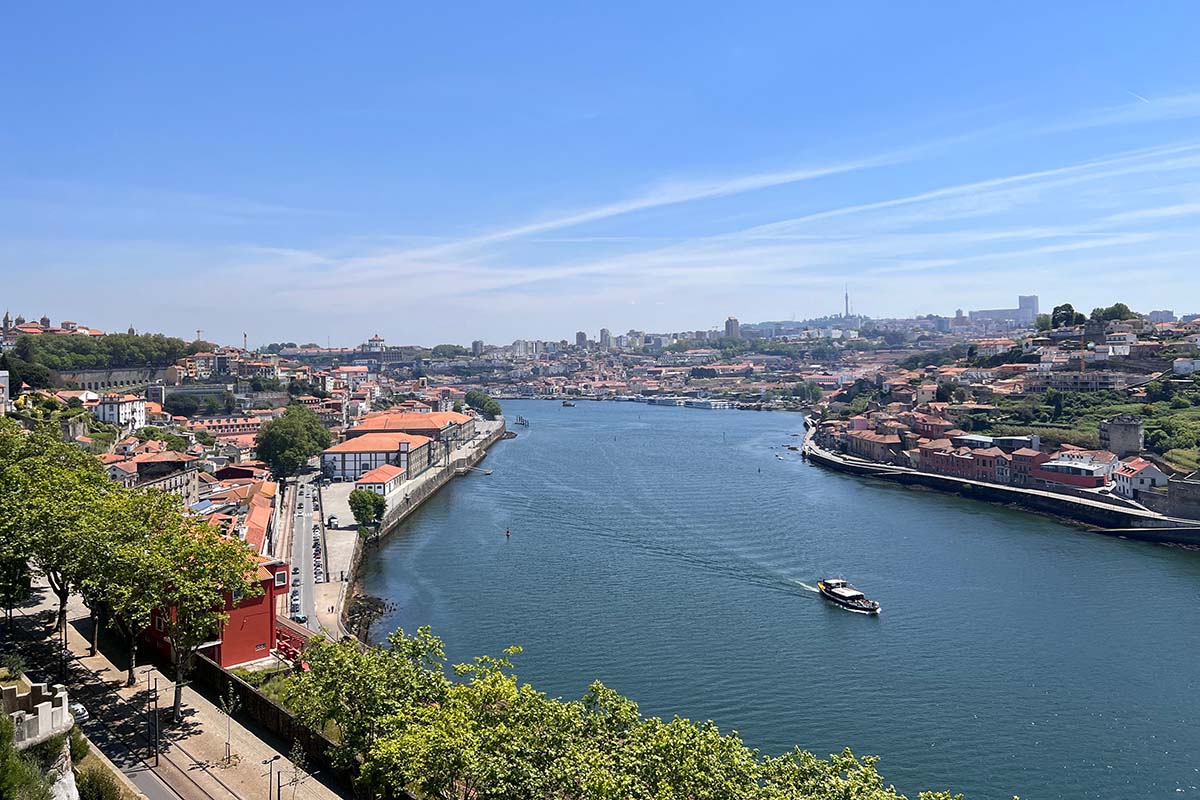
- Infrastructure for recreation and entertainment: In addition to its well-maintained beaches, Portugal offers a wide range of activities, from the world's best golf courses to tours of renowned wine regions such as the Douro.
- Expat community: The country is home to a large number of expatriates, making integration easier. Expats can easily find like-minded people, communicate in English and feel at home.



What types of residence permits are available
The Republic offers several categories of residence permits, each with different purposes and grounds for obtaining them:
| Type of visa | For whom | Investments/income per year (EUR) | Residence permit term |
|---|---|---|---|
| Golden visa | Investors | From 200,000 | 2 years |
| Startup visa | Startup founders | From 9,840 | 2 years |
| D1 | Employees | – | 1 year |
| D2 | Entrepreneurs | From 9,840 | 2 years |
| D3 | Qualified professionals | From 18,360 | 2 years |
| D4, D5 | Students | – | 1 year |
| D6 | Family reunification | – | 2 years |
| D7 | Financially independent individuals | From 9,840 | 2 years |
| D8 | Digital nomads | 39,360 | 2 years |
Portugal golden visa
A residential investment has long been one of the most popular pathways to obtaining a golden visa in Portugal. This option required the purchase of property in Portugal for either EUR 280,000 or EUR 500,000, depending on the property’s condition and location. However, the Portugal golden visa programme option is no longer available.

You can apply for a residence permit in Portugal through one of five investment options:
| Investment option | In a standard neighbourhood | In an area with low population density |
|---|---|---|
| Support for cultural heritage | From EUR 250,000 | From EUR 200,000 |
| Investments in scientific projects | From EUR 500,000 | From EUR 400,000 |
| Purchase of shares | From EUR 500,000 Fund commission at start-up: up to 7.5% Annual commission on profits: from 0.5% to 3% |
|
| Business investments | From EUR 500,000, including the creation of five jobs | |
| Starting your own company | Creation of 10 jobs or more | Creation of eight jobs or more |
The application fee is EUR 605 for each family member, while the residence permit card costs EUR 6,045 for a single applicant. It’s issued for two years and can be renewed.
Properties for sale in Portugal
 Investgo Llc
 Listanza Services Group
Residence permit for businesspeople — D2 visa
The D2 visa offers a residence permit for businesspeople planning to establish a company or engage in business activities in Portugal. This programme is specifically designed for citizens of non-EU countries.
The applicant must submit a comprehensive business plan that demonstrates the project's economic viability and growth potential. The plan should include a description of the business, a development strategy and projected financial outcomes.
Additionally, the applicant must provide evidence of sufficient funds to support themselves while living in the country and to launch the project. The starting income is at least 12 minimum monthly wages. In 2024, the threshold was EUR 820 per month or EUR 9,840 per person per year. While there are no strict requirements regarding the specific amount of funds needed for the business, the applicant must demonstrate their ability to finance the company adequately. The successful candidate will receive a resident card for two years.
Residence permit for startup founders — Portugal Startup Visa
This type of visa can be obtained by both individual applicants and teams of up to five individuals. The startup visa in Portugal is available to citizens of non-EU countries. Applicants must provide proof of funds for living and accommodation. As a rule, the main applicant must have at least EUR 9,840.
- The project must be new or relocated from abroad, promising, innovative and aimed at creating jobs.
- It can be in the idea stage, but a detailed business plan, presentation and financial strategy are required.
- After five years, the project should achieve a minimum turnover or asset value of EUR 325,000.
- However, once the residence permit is granted, continuing the project is not mandatory.
The visa is issued for two years and requires the holder to reside in Portugal for at least six months each year.
Residence permit for the financially independent — Portugal D7 visa
This programme is designed for wealthy retirees or individuals with passive income sourced from outside the country. In 2024, the minimum threshold is EUR 9,840 per year or EUR 820 per month. Another important requirement is the purchase or lease of property within the country's territory. Only citizens of countries of non-EU countries are allowed to apply for this category of visa.
Foreigners who obtain the visa can apply for a two-year residence permit, with the right to official employment and the possibility of an extension. To maintain the status, applicants must spend at least 16 months in the country during the validity period.
Residence permit for highly qualified specialists — D3 visa
This visa is intended for citizens of non-EU countries who have high professional qualifications. It’s available to scientists, engineers, medical professionals, as well as those in cultural or legal fields.
The visa requires a valid employment contract of at least one year with an expected annual salary that is at least one and a half times the national average gross salary or three times the Index of Social Support (IAS). In 2024, the IAS is around EUR 510, meaning the candidate must earn at least EUR 1,530 per month or EUR 18,360 per year. However, it’s more reliable if their annual income is at least EUR 30,000. Proof of professional qualifications, such as a university degree, will also be required.
A residence permit under this visa type is issued for two years with the possibility of extension.
Residence permit for digital nomads — Portugal Digital Nomad Visa (D8)
The D8 programme for digital nomads has been available since October 2022. To qualify, applicants must:
- confirm an average monthly income of EUR 3,280 (four minimum wages) or more;
- provide documents verifying self-employment or employment with a company registered outside the country;
- submit proof of tax residency and demonstrate having a place of residence.
The visa provides a two-year residence permit, which can also be extended.
Residence permit for students
Foreign nationals can apply for a D4 visa by enrolling in a local university. To do this, they must choose a suitable educational institution, submit the required documents through the official website and wait for a written invitation to study. The notification of enrolment will serve as the primary document required for the issuance of a residence permit.
European students who wish to continue their studies in Portugal through exchange, dual degree or short-term internship programmes can apply for a D5 visa. This visa requires proof of enrolment in a Portuguese institution, current studies in an EU country and proof of financial solvency and housing in the country.
Residence permit through employment
Foreigners can obtain a residence permit through formal employment by securing a contract with a local employer. To do this, they must first obtain a D1 work visa and complete the process of acquiring a work permit. Once this procedure is completed, they can apply for a residence permit, which is typically granted for one year with the option for renewal.
Residence permit for family reunification
Residents are entitled to relocate with their family members. The categories of relatives eligible to apply for a D6 visa include spouses and minor children. Additionally, dependent parents, minor siblings under the applicant's guardianship and partners in a non-formal relationship may also be permitted. In such cases, it’s essential to provide documents that prove the kinship or de facto relationship.
Portugal residence permit requirements
To obtain a residence permit, foreign nationals must meet several conditions. For most visas, these include:
- no criminal record in the country of origin or place of residence;
- ownership or rental of houses or apartments in Portugal, along with sufficient income to support living expenses;
- no previous EU bans or deportations;
- no diseases that pose a threat to public health.
For individuals applying for a Portugal residence by investment, proof of income and housing is optional.
List of documents for obtaining a residence permit in Portugal
The standard package of documents for visa application includes:
- completed application form
- colour photos, 3x4 cm
- passport with a validity term exceeding the planned stay in the country by at least three months
- insurance policy
- certificate of no criminal record
- proof of financial solvency
- residence registration in the country (if applicable)
Stages of obtaining a residence permit in Portugal
To apply for an investor visa in Portugal, you need to gather the required documents, obtain an individual taxpayer number and open a bank account. The bank account is necessary for obtaining a residence permit in Portugal, as all transfers must be made from it. Once the documents are ready, they will be submitted to the Integration Agency (AIMA). If approved, the applicant will receive a visa and subsequently, a residence permit. The entire process takes six to eight months.
The procedure of legalisation or other grounds involves the following steps:
| Selecting the basis for legalisation | The applicant must choose the basis for staying in the country and review the available information on the requirements to be fulfilled for obtaining a residence permit. |
|---|---|
| Registration of tax number | It’s necessary to obtain an individual taxpayer number. Citizens of non-EU countries can use the services of an authorised tax representative. |
| Opening a bank account | If the applicant intends to obtain a residence permit in Portugal for investment or passive income, they will need to open a bank account. This will require a personal visit to the country and documentation of the legality of the transferred funds. |
| Visa | The visa allows the applicant to stay in the country for four months. To obtain it, an application and a package of documents should be submitted to the nearest Portuguese consulate. |
| Submitting an application | After obtaining the visa, the applicant needs to apply for a residence permit at the Agency for Integration, Migration and Asylum (AIMA). |
| Receiving the card | The finished card will be delivered to the applicant's registered address in the country. The entire process takes six to eight months. |


The easiest way to obtain a residence permit
The easiest and most affordable way to obtain a residence permit is through the D7 visa, which is designed for financially independent individuals. The cost of a residence permit in Portugal under this visa is one of the lowest, as it does not require additional investment costs.
Reasons why a residence permit may be refused
The refusal to issue a residence permit card in Portugal can occur for several reasons. The main ones include:
- Incomplete or incorrectly completed documents: Errors or inaccuracies in filling in the application form, falsified documents such as forged contracts or certificates and a lack of proof of financial solvency are among the most common reasons for refusal. It’s essential to carefully check compliance with requirements and ensure that documents are valid and up to date before r submission.
- Insufficient income: The applicant must demonstrate a stable income or sufficient funds to support living expenses in the country. This can be done by providing bank statements, income certificates or an employment contract. If the applicant’s financial condition does not meet the minimum requirements, the application will be rejected.
- Lack of housing: The applicant must provide proof of accommodation, such as flats, houses or villas in Portugal. The property can be rented or purchased. If the residential address is not confirmed, the application will be rejected.
- Presence of a criminal record or legal issues: Applicants with a criminal record or those under investigation in Portugal or abroad may be refused a residence permit. The application may also be rejected if the applicant has committed administrative offences related to violations of migration laws.
- Doubts about the purpose of stay: If the migration authorities suspect that the applicant's intentions differ from those declared, such as entering into a fictitious marriage or working without authorisation, this may result in refusal.
- Violation of tax legislation: Individuals who fail to pay taxes or have outstanding debts to the tax authorities of Portugal may be refused the issuance or renewal of a residence card. This is particularly important for those engaged in employment or business activities in the country.
- Threat to national security: If the migration authorities determine that an applicant poses a risk to national security, public order or public health, the application will be rejected.
In case of refusal, it’s essential to carefully assess the stated reasons. These are always provided in the written notification from the immigration authorities. If the applicant disagrees with the decision, they have the right to appeal to AIMA within 15 days.
The appeal must contain arguments in defence of the applicant and additional documents supporting their case. It’s advisable to contact a lawyer specialising in migration law in Portugal to prepare the appeal.
If the refusal is due to missing or incorrectly completed documents, the applicant can rectify the deficiencies and reapply or consider an alternative residence permit category.
How to renew your residence permit
To renew your resident permit, you need to apply via the AIMA online platform 30 to 90 days before your current permit expires. You must provide a current residence permit, health insurance, passport, proof of financial stability and housing. After applying, the applicant must visit one of the AIMA offices in person to present the originals of the required documents.
How to obtain a permanent residence permit and citizenship in Portugal
To apply for a permanent residence permit, you must have lived in the country with temporary resident status for at least five years. During this time, it’s essential to comply with all conditions of stay, including the timely renewal of your residence permit. Although there’s no Portugal golden passport programme, citizenship can be obtained through naturalisation. This process requires legally residing in the country for five years and passing a language proficiency test.
Advantages of permanent residence and citizenship
A permanent residence permit allows immigration to Portugal, enabling you to live in the country indefinitely without needing to confirm the grounds for your stay every few years. The main advantages of citizenship include:
- the right to participate in elections at local and national level, as well as in European Union elections;
- children acquire citizenship regardless of their place of birth;
- full access to all social programmes, healthcare, education and pensions on an equal basis with other citizens of the country;
- visa-free entry to 190 countries, including the USA, Canada, Australia and Japan;
- the right of residence and employment in any country of the European Union;
- the opportunity to retain first citizenship.
FAQ
Trending


Comments