 RU
RU
 DE
DE
 FR
FR
 ES
ES
 PT
PT
 AR
AR

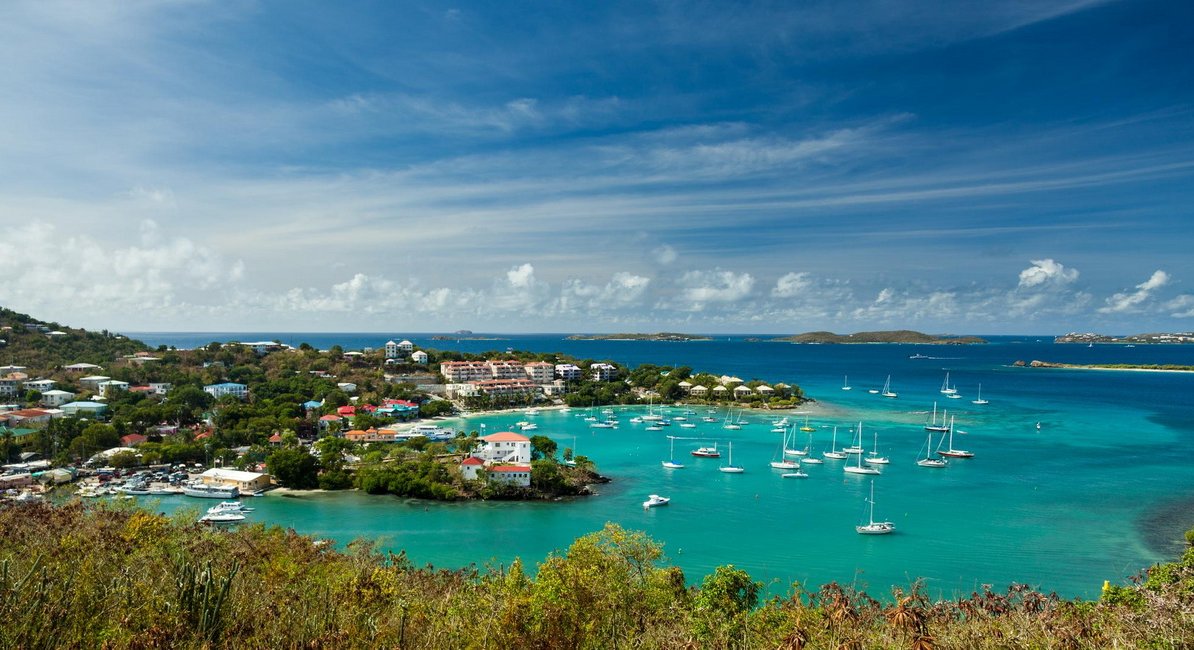
A Caribbean passport can be obtained through investments starting from USD 200,000—this amount allows you to become a citizen of Dominica, completing all necessary paperwork remotely within six months.
As of 2025, five countries in the Caribbean offer citizenship through investments in securities, the economy and real estate in the Caribbean. The countries included for immigration to the Caribbean include:
- Antigua and Barbuda with a minimum threshold of 230,000;
- Grenada – USD 235,000;
- Saint Kitts and Nevis – USD 250,000;
- Saint Lucia – USD 240,000.
Key advantages of holding a passport from these Caribbean nations include visa-free or visa-on-arrival access to over 140 countries and the ability to retain your original citizenship.
Content
- Caribbean passports by investment
- Caribbean citizenship benefits
- Antigua and Barbuda citizenship
- Citizenship in Grenada
- St. Kitts and Nevis citizenship
- Citizenship in St. Lucia
- Dominican citizenship
- How to obtain Caribbean citizenship by real estate investment
- Other ways to obtain a Caribbean citizenship
- Caribbean citizenship requirements
- Stages of obtaining Caribbean citizenship through investment
- Reasons for passport denial
- Cost and timeframes for obtaining Caribbean citizenship
- Easiest Caribbean country to obtain citizenship
- Visa-Free countries with a Caribbean passport
Caribbean passports by investment
There are many myths surrounding the citizenship of countries in this region:
- To retain the passport, you must live in the country for more than 183 days a year.
Only one Caribbean country, Antigua and Barbuda, has residency requirements. They stipulate that applicants must spend only five days on the territory in the first five years after issuing the passport. In other countries, residency is not a requirement for maintaining citizenship.
- Foreigners cannot apply for Caribbean citizenship remotely.
Document preparation, interviews and the oath ceremony can be organised in the applicant's home country. Personal presence is not required.
- Buying Caribbean real estate is unsafe.
Participants in the investment program can only purchase properties that are on a list approved by the local government. All residential and commercial properties chosen for applicants are strategically located and of the highest quality.
- Caribbean nations are blacklisted offshore jurisdictions with a bad reputation.
All countries in this region that offer citizenship options are concerned with their international reputation. They aim to attract investors with legal sources of income. Each applicant undergoes a background check. The options are transparent and clear.

Capital investments are one of the most common grounds for obtaining citizenship in the region. The most profitable option is purchasing real estate. Expats interested in permanent relocation can immediately secure housing, while investors acquire a liquid asset with high profitability.
Local real estate markets offer a wide range of housing. Buyers can choose from studios, standard apartments, luxurious penthouses, townhouses and villas. Additionally, there is a large selection of commercial properties, which remain in high demand due to the developed tourism industry. Investors often buy shares in hotels and resort complexes.
Caribbean citizenship benefits
Here are some of the plethora of attractions for foreign investors in Caribbean immigration programs:
- Relatively low investment threshold.
Caribbean countries offer some of the most favourable conditions for obtaining citizenship. Foreigners can acquire a passport by investing as little as USD 200,000. In Europe, the minimum investment requirement is much higher. For example, Spanish residency can only be obtained with investments starting as high as USD 500,000.
- Simple application process.
The main applicant and their family members seeking citizenship do not need to visit the country to submit documents and obtain the passport. The entire process can be completed remotely. Moreover, in most cases, the procedure takes as little as six to eight months. Applicants do not need to reside in the country as a resident for several years to qualify for citizenship.
- Option to include family members.
Along with the investor, their spouse, children and other close relatives can be included in the application. For example, Grenada allows applicants to include siblings, while Dominica allows grandparents to be included.
- Free travel.
Caribbean passport holders can enter over 140 countries without a visa or with visa-on-arrival privileges. They are also eligible to apply for U.S. business and tourist visas, which are valid for 10 years and allow holders to stay in the U.S. for up to 180 days annually.
- Favourable tax policy.
Tax residents of Caribbean countries are not required to pay taxes on capital gains or inheritance.
- No residency requirements.
Only citizens of Antigua and Barbuda need to spend at least five days in the country within the first five years after their application is approved to maintain their status. Other countries do not have residency requirements.
- Access to the British education system.
Caribbean countries are members of the Commonwealth of Nations, so their citizens can apply to British universities under favourable conditions.
Antigua and Barbuda citizenship
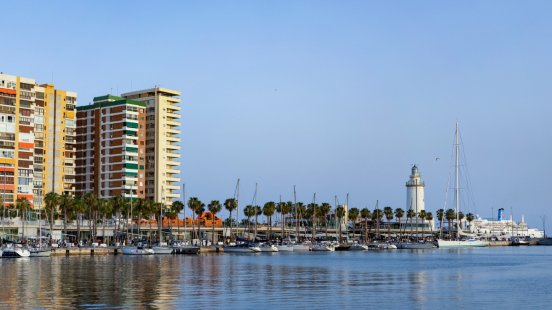
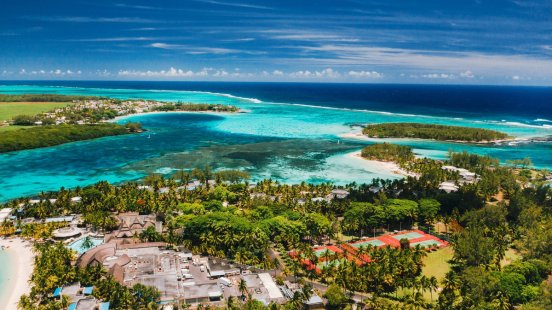
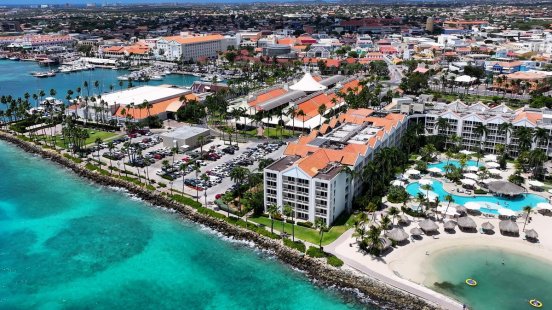
This small country, with a population of just over 100,000 people, is located on two islands. It is a member of the UN, the Commonwealth and the Organization of American States. The local economy thrives thanks to a robust tourism industry, which creates a high demand for housing from buyers and renters. More than 50 percent of all non-tax revenue comes from the investment program for obtaining citizenship through non-refundable contributions and real estate purchases. The government of this island nation encourages foreign direct investment, allowing citizens of other countries to have full control over their acquired property.
The Antigua and Barbuda citizenship by investment programme was launched in 2013. Approved applicants can freely visit 152 countries, including the UK, France, and Germany. Along with the main applicant, the following family members can also apply for citizenship:
- spouse (with no criminal record or serious health conditions);
- children up to 30 years old;
- financially dependent parents aged 55 or older;
- siblings who are unmarried and childless (for minors, permission from a parent or guardian is required).
Foreigners can obtain an Antigua and Barbuda passport by choosing one of the following investment options:
- Non-refundable contribution.
The applicant must contribute at least USD 230,000 to the development fund. The number of dependent applicants does not affect the investment threshold. Large families with six or more members may also opt to contribute to the university fund. In this case, the minimum investment increases to USD 260,000, which already includes the government processing fee.
- Real estate purchase.
A property in Antigua and Barbuda must be purchased with a value of at least USD 300,000. The property must be part of an approved project by the local government. Buying either a share in a property or a whole property is permissible. After the transaction, the investor must hold the property for at least five years. The same property can be purchased twice under the program.
- Business investment.
Entrepreneurs actively participating in the business must invest at least USD 1.5 million. Joint investments are allowed if the total exceeds USD 5 million. In this case, each individual must invest at least USD 400,000.
Properties for sale in Antigua and Barbuda
 Stanley's Estate Agents
Citizenship in Grenada
This country, with a population of over 114,000 people, is known as the "Spice Isle" because it ranks second in the world for nutmeg production after Indonesia and is a major exporter of other spices, including cinnamon, ginger and cloves. Its beautiful natural landscape, with green valleys, tropical forests and mountain lakes, combined with a favourable climate and well-maintained beaches, makes it a popular tourist destination. The country also has a strong legal foundation, a low crime rate and a reliable government committed to developing the education system, improving infrastructure and protecting the environment. As an attractive destination for potential foreign investors, Grenada offers various tax incentives and streamlined administrative procedures.
Some of the tax incentives which Grenada offers include the absence of taxes on worldwide income, capital gains and inheritance.
In 2013, the citizenship in Grenada by investment program was launched. Successful applicants can visit around 150 countries without a visa, including China and Switzerland. The investor is allowed to include the following family members in the application:
- spouse with no criminal record;
- financially dependent children (of the investor and spouse) up to 30 years old;
- financially dependent parents, grandparents (of the investor and spouse);
- financially dependent adult siblings, unmarried and without children.
Applicants for Grenada passport are offered two investment options to choose from:
- Non-refundable contribution.
The applicant must make a contribution of at least USD 235,000 to the Transformation Fund. The minimum investment threshold depends on the number of candidates, their age and degree of relationship. Adding a parent or grandparent under 55 years old to the application increases the amount by USD 50,000, and for those 55 years and older, by USD 25,000. An additional USD 75,000 must be contributed to include a brother or sister. The investment threshold does not increase if the family consists of no more than four people.
- Real estate purchase.
There is an option to invest in property in Grenada that is part of an approved government project. The minimum value of the property must be USD 350,000. For some projects, this amount can be lowered to USD 270,000. The property can be resold after five years have lapsed from the purchase date.
Properties for sale in Grenada
 Esales Property Limited
 Copal
Copal NVEST ESTATES
St. Kitts and Nevis citizenship
This country consists of two islands with a small population of just over 60,000 people. A former British colony, it is a member of the Commonwealth, the Caribbean Community (CARICOM) and the Organization of Eastern Caribbean States (OECS). Tourism, which accounts for over 60% of the GDP, along with the service sector, forms the backbone of the local economy. Recent government initiatives have aimed to diversify the economy by encouraging investment in information technology and the real estate sector. The country’s young and educated workforce is an additional advantage, attracting international entrepreneurs.
The St. Kitts and Nevis citizenship by investment program has been in place since 1984. Foreigners who meet the program's requirements and receive approval from the department can travel freely to over 150 destinations, including South Korea and the Maldives. Besides the investor, the following family members can also be granted citizenship:
- spouse with no criminal record;
- minor children;
- financially dependent children aged 18 to 25 who are pursuing secondary or higher education;
- financially dependent parents aged 55 and older.
Applicants for St. Kitts and Nevis passport can choose one of the following investment options:
- Non-refundable contribution.
The applicant and up to three family members must contribute at least USD 250,000 to the Federal Consolidated Fund. The amount increases by USD 25,000 for each additional minor dependent and by USD 50,000 for adult dependents.
- Real estate purchase.
Buying a share worth at least USD 325,000 in a condominium, hotel or resort complex qualifies the applicant for citizenship, provided the project is government-approved. Alternatively, investing USD 600,000 in a standalone house is permitted. The property in Saint Kitts and Nevis can be resold seven years after the purchase.
- Investment in infrastructure or social projects.
Candidates selecting this option must invest a minimum of USD 250,000 in a government-approved project.
Properties for sale in Saint Kitts and Nevis
 SAJ Realestate
Citizenship in St. Lucia
This island nation of volcanic origin has a population exceeding 180,000 people. The local economy is primarily based on the tourism industry. The country attracts vacationers and expats with its mild climate, pristine beaches, developing infrastructure and strong education and healthcare systems.
In 2015, the government introduced the option to acquire citizenship in St. Lucia by investment. Successful applicants can travel visa-free to 146 countries, including Belgium and Italy. An investor can also acquire citizenship for the following family members:
- spouse with no criminal record;
- financially dependent children under 30 years of age;
- financially dependent parents aged 55 and older (both the investor’s and the spouse's);
- unmarried minor siblings (parental or guardian consent required).
To obtain a St. Lucia passport, one must choose from the following options:
| Non-refundable contribution | Applicants are required to invest at least USD 240,000 in an economic fund. If the number of applicants exceeds four, the inclusion of minor dependents increases the minimum investment by USD 10,000 per person, while adult dependents increase it by USD 20,000 per person. |
| Investment in infrastructure or business | Participants may invest a minimum of USD 250,000 in infrastructure projects such as bridges, roads, ports, or other government-approved developments. Individual and collective investments in business projects are also permitted. For collective investments, the total amount must be at least USD 6 million, while individual investments require a minimum of USD 3.5 million. |
| Real estate purchase | Applicants can purchase shares in a premium-class hotel or resort, as well as villas. The minimum value of property in Saint Lucia must be USD 300,000. The property must be approved by the government and retained by the investor for a minimum of five years. |
| Purchase of securities | Investments in interest-free, risk-free government bonds must start at USD 300,000. Redemption of the bonds is permitted five years after purchase. |
Properties for sale in Saint Lucia
 Realtor.com
 JamesEdition
Dominican citizenship
This small island nation has a population exceeding 70,000 people. Known for its tropical climate and scenic beauty, Dominica features lush forests, numerous rivers and breathtaking waterfalls, making it an attractive destination for ecotourism. The local government actively encourages direct foreign investments to diversify income sources through projects in information and communication technology, renewable energy, agribusiness and real estate.
In 1993, Dominica citizenship by investment programme was launched. Passport holders of this island state enjoy visa-free access to 144 countries, including China and Denmark. The following family members can be included as dependent applicants:
- spouse with no criminal record;
- financially dependent children under 30 years old (both of the investor and spouse);
- financially dependent parents aged 65 and older (both of the investor and spouse);
- financially dependent grandparents (both of the investor and spouse).
Foreign nationals can acquire a Dominica passport through one of these options:
- Non-refundable contribution.
The applicant must contribute at least USD 200,000 to the Economic Diversification Fund. If the application includes three or more family members, the minimum investment increases to USD 250,000.
- Real estate purchase.
An investment of at least USD 200,000 in a government-approved project qualifies the applicant for citizenship. The property in Dominica can be resold after three years, but to be eligible for purchase by another citizenship applicant, ownership must be maintained for five years.
Properties for sale in Dominica
 Safe Haven Real Estate
How to obtain Caribbean citizenship by real estate investment
“Carefully review the requirements of each program and make your choice based on your lifestyle, financial situation, and future plans. Select a property from government-approved projects and begin preparing and submitting documents. Once your application is processed and a due diligence check is completed, you can fulfil the investment requirements. Afterwards, the investor and their family members can receive citizenship. In some countries, it is also necessary to take an oath of allegiance,” says Vladislav Grinin.
The average cost of an 80m² apartment in Caribbean countries is about USD 400,000. A standalone house with two or three bedrooms located near the beach might cost around USD 600,000. Premium villas ranging from 200 to 400m² are typically priced between USD 1 million and USD 2 million. Luxury waterfront properties with private amenities and yacht docks can cost USD 3 million or more.
Citizens of other countries are allowed to purchase any type of property, including hotels or entire islands. However, only certain categories of properties qualify for citizenship purposes. Foreigners can choose a suitable project, review the documentation and examine the terms of the sales agreement remotely.
Depending on the applicant's goals, a residence can be purchased for personal living or rental purposes. Whole properties or fractional shares can be purchased.
The process of buying real estate in the region involves the following steps:
- Obtaining a landholding license. This requirement applies only to foreigners who are not applying for citizenship.
- Property reservation. Typically, buyers pay about 10–15 percent of the property's price to take it off the market.
- Signing the agreement. This procedure usually takes about seven days. Buyers can sign the purchase agreement in person with a notary or remotely through an authorised representative. Program participants must only finalise the contract after receiving notice of application approval. The property will then be registered with the Land Resources Department.
In addition to the cost of the property, buyers should be prepared for expenses related to taxes, fees, and legal or notary services.
Other ways to obtain a Caribbean citizenship
In addition to investments, there are several other pathways to qualify for citizenship in Caribbean countries:
- Naturalization
Foreign nationals interested in immigrating to the Caribbean can obtain residency and apply for Caribbean citizenship after residing in the country for seven to 14 years. For applicants who are citizens of Commonwealth nations, this period may be reduced. In Grenada, Dominica and Saint Lucia, applicants are required to demonstrate proficiency in the English language. Each country's department reviews applicants for criminal records and verifies the legality of their income sources.
- Birthright citizenship ("Jus Soli")
Throughout most of the Caribbean, the "right of soil" principle applies. This means individuals born within the country automatically acquire citizenship. Exceptions include children whose parents have diplomatic immunity or are nationals of a country at war with the Caribbean state.
- Family ties
Citizenship can also be obtained through familial connections to citizens of a Caribbean nation. Biological and adopted children, as well as spouses of local residents, can legalize their status in almost every country. Grandchildren may qualify in Antigua and Barbuda and Saint Kitts and Nevis. Proof of kinship must be provided through official documentation.
| Country | Naturalization Period |
|---|---|
| Antigua and Barbuda | Seven years |
| Grenada | Seven years |
| Saint Kitts and Nevis | 14 years |
| Saint Lucia | Seven years |
| Dominica | Seven years |
Caribbean citizenship requirements
Applicants must meet the following conditions for obtaining Caribbean citizenship:
- be of legal age;
- have no criminal record;
- have a legal source of income;
- be free from severe illnesses.
A standard set of documents for obtaining Caribbean citizenship includes:
- valid passports of the applicants;
- birth/marriage/divorce certificates;
- police clearance certificates;
- proof of a legal source of funds;
- photographs;
- proof of investment compliance, such as a deed for ownership of apartments or villas in the Caribbean.
The complete list of documents depends on the country and the selected option. In some cases, a military ID, a copy of a university diploma, a bank reference letter and other documents may be required.
Stages of obtaining Caribbean citizenship through investment
The process of obtaining citizenship in any of the aforementioned countries involves the following steps:
- Preliminary check: In most cases, licensed organisations assisting foreigners with their applications conduct a preliminary review of all documentation to minimise the risk of rejection.
- Document preparation: The organisation provides the applicant with a list of required documents for submission. Once the investor supplies these, specialists handle translations, certification of copies and completion of government forms.
- Application submission: The legal organisation submits the prepared documents to the citizenship program department, and the applicant pays the associated fees. The department thoroughly reviews the investor’s and their family’s information. All applicants aged 16 and older must then undergo an interview.
- Fulfilling investment requirements: Once the application is approved, the applicant must invest in the selected option.
- Citizenship approval: The investor and their dependents receive their passports.
Reasons for passport denial
The most common reasons for application denial or revocation of citizenship status include:
- submitting an incomplete set of documents;
- providing incorrect or deliberately false information;
- acquiring a passport through illegal means;
- violating program terms, such as selling real estate before the required period;
- having a criminal record, either within or outside the country, for offences carrying a maximum prison term of over six months under local law;
- being deemed a potential threat to the national security of the country.
Cost and timeframes for obtaining Caribbean citizenship
| Expenses | Antigua and Barbuda | Grenada | St. Kitts and Nevis | St. Lucia | Dominica |
|---|---|---|---|---|---|
| Minimum Investment Amount | USD 230,000 | USD 235,000 | USD 250,000 | USD 240,000 | USD 200,000 |
| Due Diligence Fees | From USD 8,500 | From USD 5,000 | From USD 10,000 | From USD 8,000 | From USD 7,500 |
| Additional Fees and Charges | From USD 10,000 | From USD 4,750 | From USD 25,000 | From USD 2,500 | From USD 2,500 |
| Processing Time | From six months | From eight months | From six months | From six months | From six months |
Easiest Caribbean country to obtain citizenship
For many, an easy process for obtaining citizenship means a low investment threshold, quick application processing and minimal physical presence requirements to maintain status. From a financial perspective, Dominica stands out as the best option, with a passport available for investments starting at USD 200,000.
The average processing time for citizenship applications across these island nations begins at around six months. The only exception is Grenada, where the process can take more than eight months.
As for physical presence requirements, Caribbean countries generally do not mandate living within their territories to retain citizenship. The only exception is Antigua and Barbuda, which requires a stay of at least five days within five years of obtaining the passport.
Visa-Free countries with a Caribbean passport
Citizens of Caribbean nations enjoy unique travel advantages, allowing them to visit over 140 countries worldwide without the need for a visa in advance. This list includes popular destinations such as the United Kingdom, Hong Kong, Schengen Area countries and several other nations that permit visa-free entry or visa issuance upon arrival.
FAQ
Trending

Comments