 RU
RU
 DE
DE
 FR
FR
 ES
ES
 PT
PT
 AR
AR

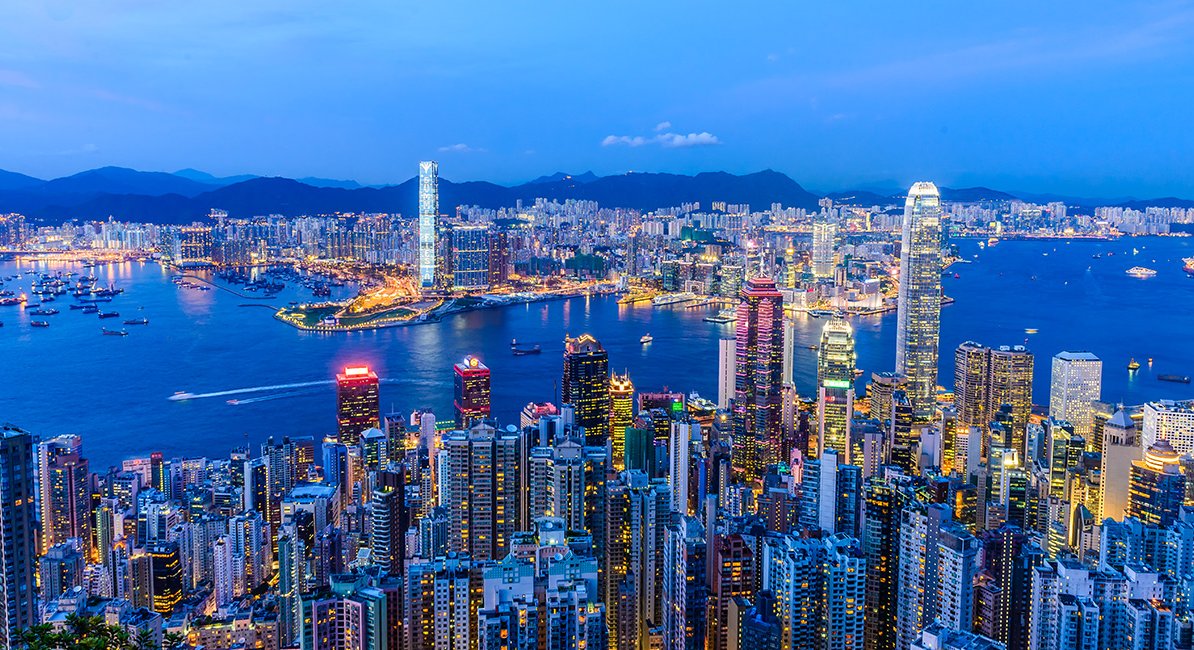
GDP per capita refers to a country’s total gross domestic product divided by its population. It helps determine the wealth and quality of life within a specific state and assess the development of its economy. Each year, the International Monetary Fund (IMF) and the World Bank publish global statistics, which are used to compile a ranking of countries with the highest GDP per capita. Among the leaders in this indicator are Luxembourg ($143,743), Macau ($134,141), Ireland ($133,895), and Singapore ($133,737). Let’s take a look at the 50 wealthiest countries based on data from 2024.
Content
List of countries by GDP
Some of the rich countries that lead the ranking hold the status of tax havens. This means that wealth accumulated abroad has artificially inflated their GDP. Therefore, IMF representatives recommend approaching some data with caution. However, effective policies in this area do positively impact citizens’ well-being. Some of the most rich countries leverage their unique advantages, such as favourable tax policies and strategic locations, to maintain their competitive edge in the global economy.
In many of the smaller nations that made it into the top 15, a strong economy has been built due to favourable tax systems and a well-developed financial sector. These include San Marino, Luxembourg, Switzerland, and Singapore. Middle Eastern countries such as Qatar and the United Arab Emirates possess large reserves of hydrocarbons and other profitable natural resources. Macau and several other destinations benefit from the tourism industry.

The following ranking considers exchange rates and PPP adjustments, making it as close to objective reality as possible.
50 richest nations in the world by GDP
The list of countries ranked by wealth based on GDP per capita includes the following 50 wealthiest nations:
| 1 | Luxembourg |
| 2 | Macau SAR |
| 3 | Ireland |
| 4 | Singapore |
| 5 | Qatar |
| 6 | UAE |
| 7 | Switzerland |
| 8 | San Marino |
| 9 | USA |
| 10 | Norway |
| 11 | Guyana |
| 12 | Denmark |
| 13 | Brunei Darussalam |
| 14 | Taiwan |
| 15 | Hong Kong SAR |
| 16 | Netherlands |
| 17 | Iceland |
| 18 | Saudi Arabia |
| 19 | Austria |
| 20 | Sweden |
| 21 | Andorra |
| 22 | Belgium |
| 23 | Malta |
| 24 | Germany |
| 25 | Australia |
| 26 | Bahrain |
| 27 | Finland |
| 28 | Canada |
| 29 | France |
| 30 | South Korea |
| 31 | United Kingdom |
| 32 | Cyprus |
| 33 | Italy |
| 34 | Israel |
| 35 | Aruba |
| 36 | Japan |
| 37 | New Zealand |
| 38 | Slovenia |
| 39 | Kuwait |
| 40 | Spain |
| 41 | Lithuania |
| 42 | Czech Republic |
| 43 | Poland |
| 44 | Portugal |
| 45 | The Bahamas |
| 46 | Croatia |
| 47 | Hungary |
| 48 | Estonia |
| 49 | Panama |
| 50 | Slovak Republic |
Top 5 richest countries by natural resources
Natural resources refer to goods or raw materials used in the production of finished or intermediate products. Many states with vast reserves of oil, gas, coal, and precious metals have managed to build strong economies. However, such wealth does not guarantee prosperity.
“Some of the poorest nations have enormous reserves of valuable natural resources. For example, South Sudan, the country with the world’s lowest GDP per capita, holds numerous oil deposits. Such cases are referred to as ‘resource curses’—a phenomenon where the abundance of resources leads to political and social conflicts, wars, corruption, and inequality,” explains Dmitry Eliseyev.
| Country | Resource Value |
|---|---|
| Russia | $75 trillion |
| USA | $45 trillion |
| Saudi Arabia | $34.4 trillion |
| Canada | $33.2 trillion |
| Iran | $27.3 trillion |
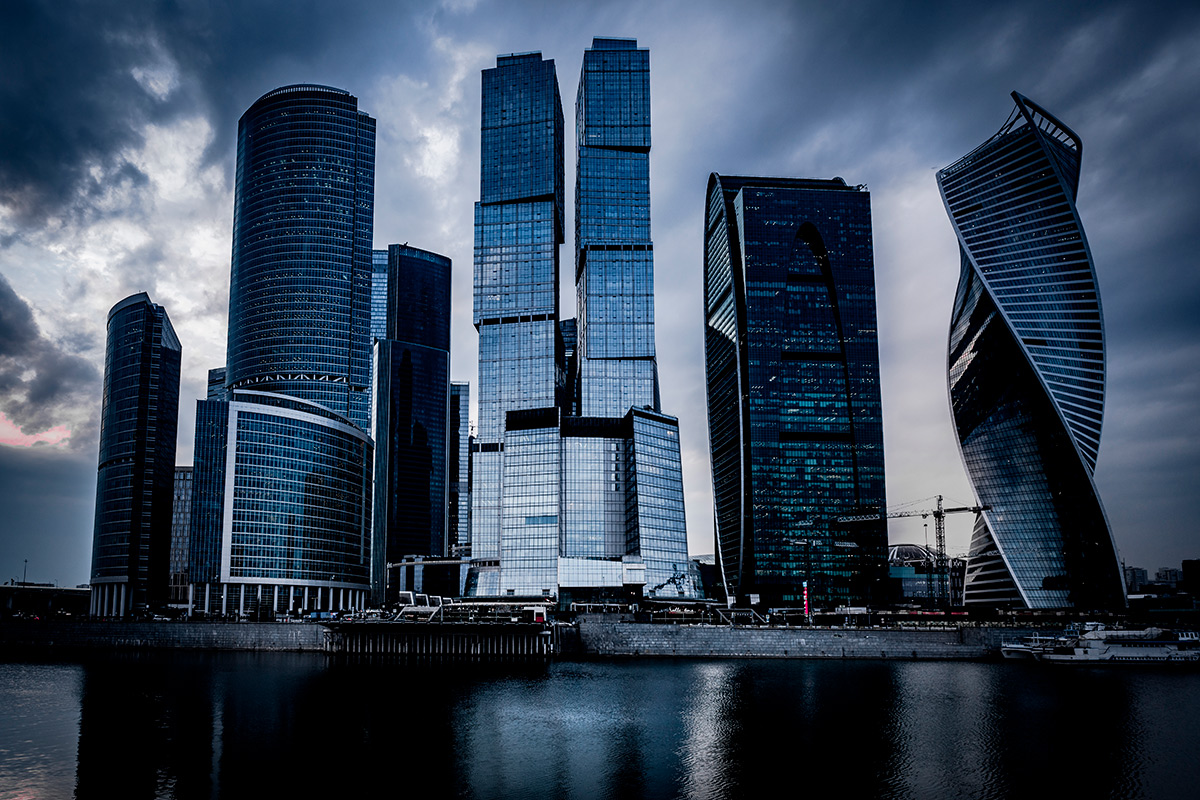
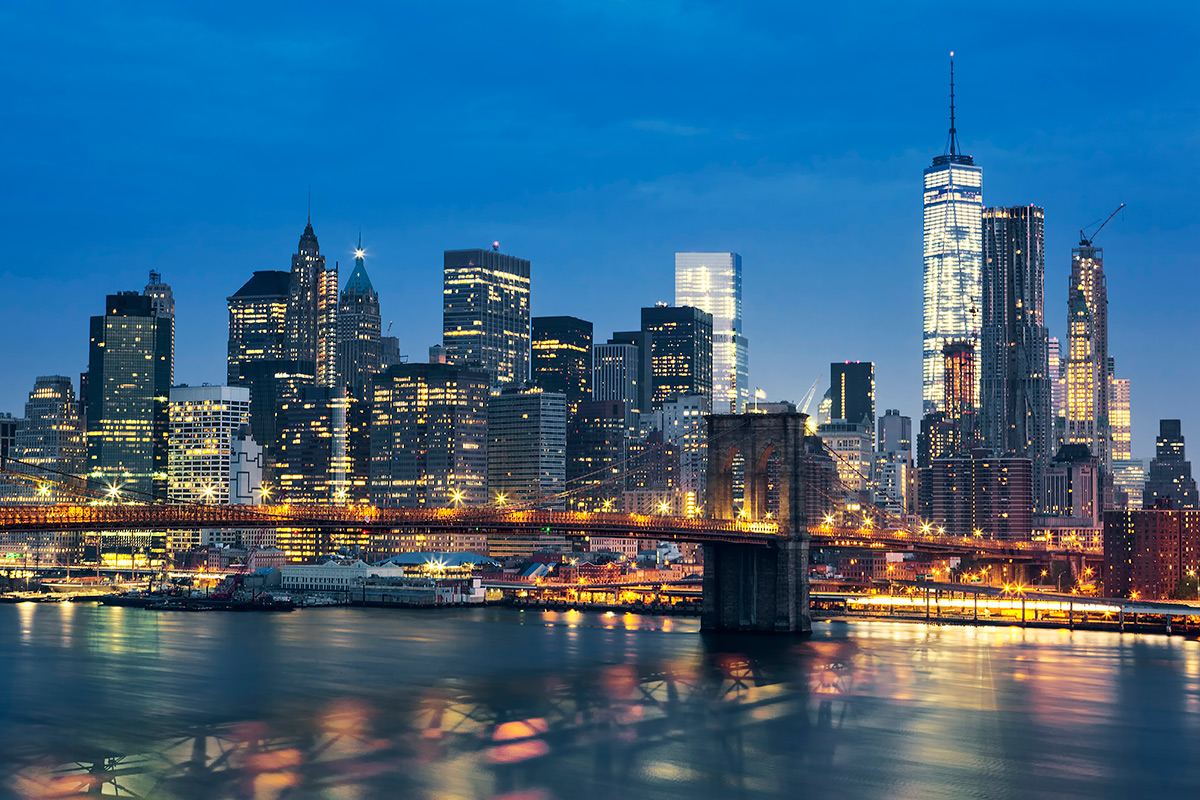
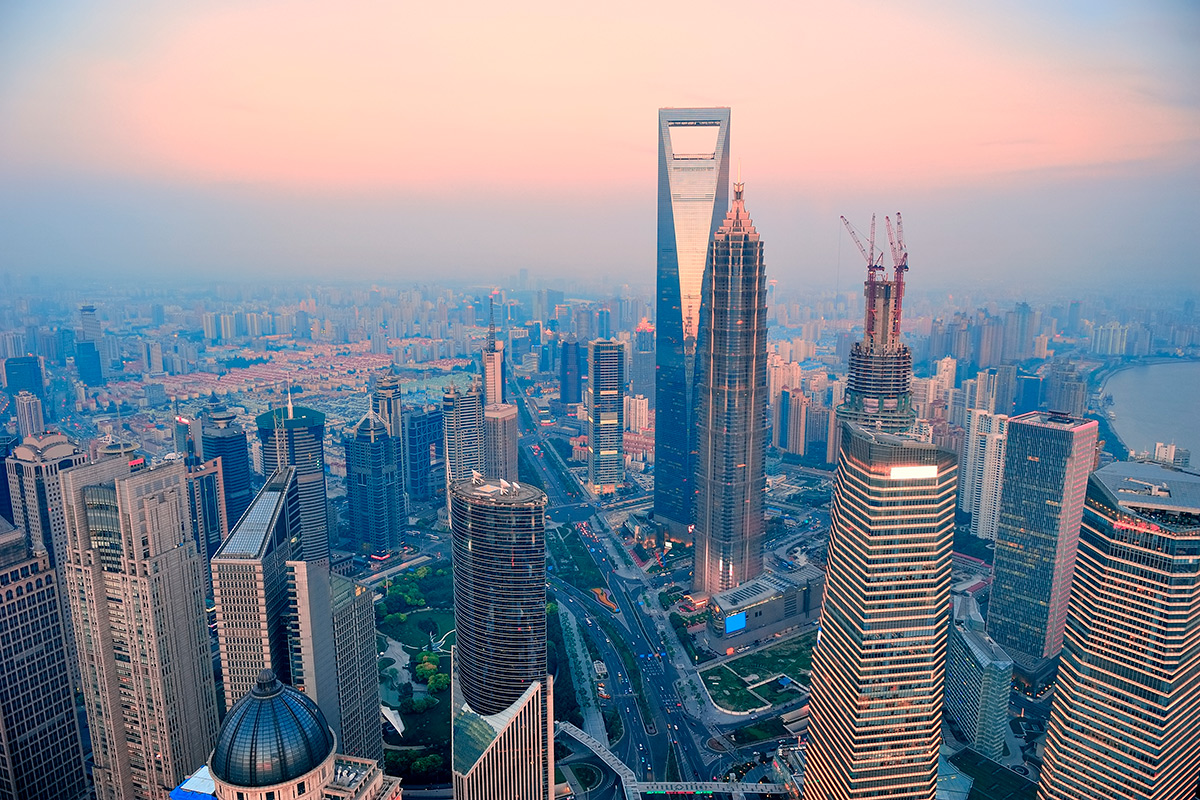
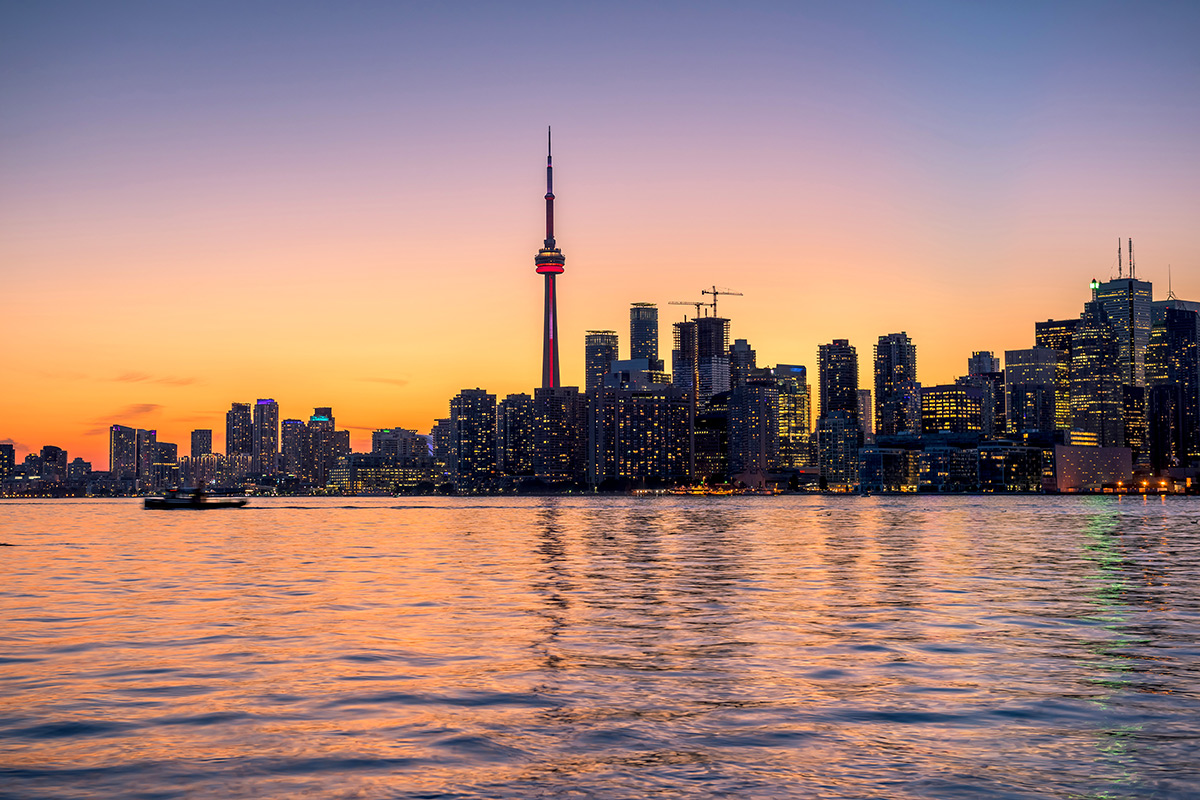
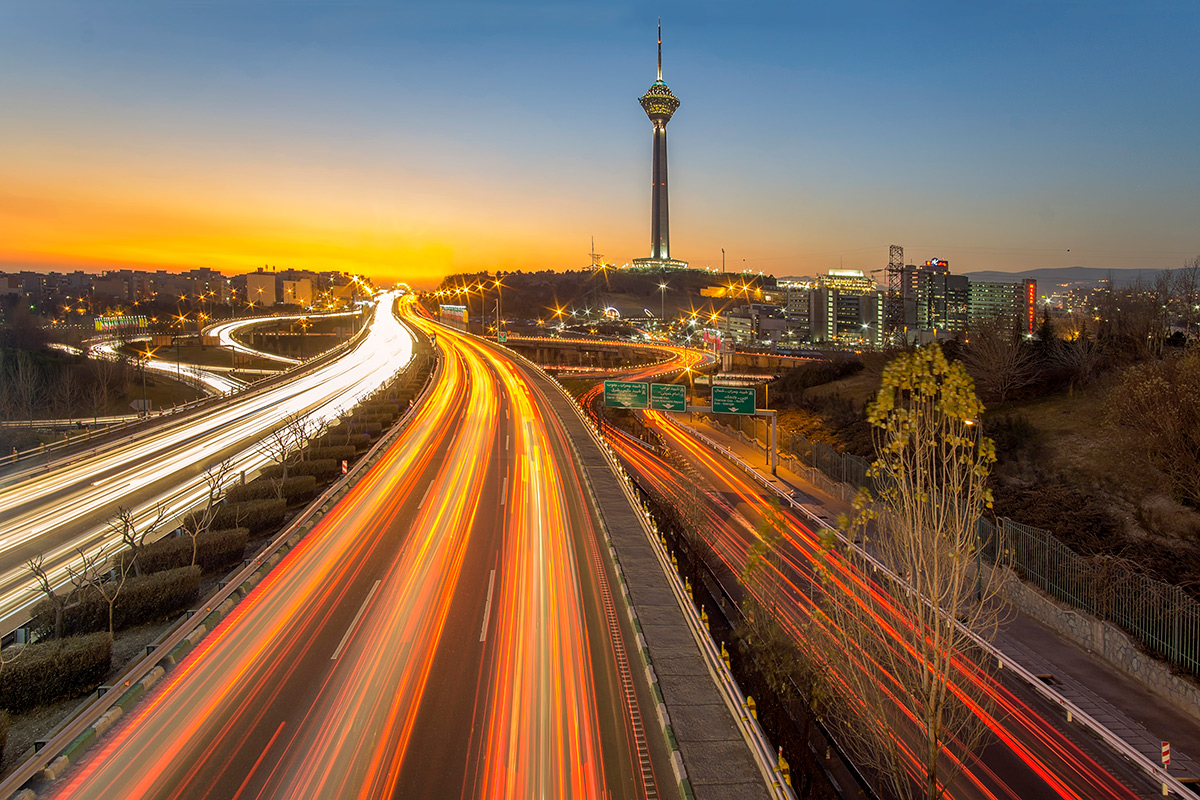
Luxembourg: $143,743
Luxembourg consistently ranks at the top of annual GDP per capita rankings. The key factor making it the wealthiest country in the world is its strategic location. The duchy borders Belgium, France, and Germany, contributing to a strong labour market, with nearly half of its workforce commuting daily from neighbouring countries. Cross-border workers contribute to the development of the local economy without increasing the population count used to calculate GDP per capita. As a result, the income is distributed among fewer people, effectively raising the figure.
Initially, the local economy was based on steel production, but its importance has diminished over the years. Today, the Grand Duchy is one of the most influential investment management centres. The richest country is home to about 120 banking institutions, making it an international financial hub.
Other strengths of the richest country per capita include its tourism and logistics industries, as well as its information technology sector. Factors negatively affecting economic development include an ageing population and reliance on the financial sector, which is vulnerable to global fluctuations.
Macau: $134,141
Macau is a special administrative region of China and the most densely populated area in the world. It has its own economic and legal systems under the principle of “one country, two systems.” Thanks to its gambling industry, which includes around 40 casinos, the region has been nicknamed the “Las Vegas of the East.” Border closures due to COVID-19 severely impacted the local economy, but it has since recovered. Today, the region has become a hub for international events and conferences, as well as technology services, trade, and finance.
Macau is a member of the World Trade Organisation, and its legislation offers favourable conditions for foreign entrepreneurs and investors. One of Macau’s major economic challenges is the shortage of human resources.
Ireland: $133,895
Despite a recession caused by a decline in pharmaceutical exports and a slowdown in manufacturing, Ireland remains a powerful financial centre and one of the richest countries in Europe. Historically, its economy has been boosted by a low corporate tax rate of 12.5% and a skilled, English-speaking workforce. Many multinational corporations, such as Google and Apple, have sought to make the republic their European base.
The republic’s global economic policy encourages foreign direct investment, which ultimately enriches its citizens. As with many other European leaders in the ranking of countries by GDP per capita in 2024, Ireland’s participation in the European Union provides it with membership benefits, including business protection. This is why more than 1,000 American companies are registered in the republic.
Problems faced by Ireland’s economy include its export-oriented nature, which makes it dependent on the conditions of trading partners, global geopolitical situations, and energy price volatility.
Singapore: $133,737
The factors that make Singapore one of the richest countries in the world are similar to those in Ireland—low corporate tax rates, a favourable legal framework for entrepreneurs, and a strategic location. However, its history is unique. Lee Kuan Yew, who served as Prime Minister from 1959 to 1990, is considered the founding father of this city-state.
The politician relied on the shared values of the region’s ethnic groups and actively developed private banking, shipbuilding, and electronics. These strategies shaped today’s competitive trade environment and robust financial sector, while also making the republic a major producer of machinery, pharmaceuticals, and petrochemical products.
Challenges faced by the republic include dependence on imported consumer goods and the Chinese economy. Additionally, the local labour market is underdeveloped and largely sustained by foreign professionals.
Qatar: $112,283
Qatar’s wealth is primarily based on its vast oil and natural gas reserves. Given that the state holds more than 13% of the world’s proven gas reserves, it is unlikely to lose its dominant position in the near future. The local government invests its earnings in cutting-edge technologies, architectural and engineering projects, and events like the FIFA World Cup.
To reduce its dependence on the oil and gas industry, the country launched the National Vision 2030 project. This initiative encourages private investments in various sectors, including tourism and financial services. It is expected to diversify the state’s economic base.
While Qatar is open to foreign investors, who can own 100% of businesses in most sectors, its development continues to be restrained by strict cultural norms and gender inequality.
UAE: $96,846
The United Arab Emirates remains a highly developed and wealthy country thanks to its attractive environment for trade and investment, modern infrastructure, a resilient financial sector, and oil and natural gas reserves. Its dual approach to services and production has positively impacted the country’s economy.
Dubai, strategically located between Europe, Africa, and Asia, is a popular hub for entrepreneurs. A prime example is Jebel Ali, considered one of the busiest ports in the entire Middle East. Luxury locations like Downtown Dubai, the Palm Jumeirah, and Dubai Marina attract real estate investors. The emirate is home to 212 individuals with a net worth exceeding $100 million and another 15 billionaires.
The government continues to introduce initiatives aimed at reducing the influence of hydrocarbons on the local economy. However, the sector still accounts for about 30% of the GDP, making the country vulnerable to fluctuations in oil and gas prices.
Switzerland: $91,932
Switzerland ranks among the richest countries in the world due to its strong labour market with highly skilled professionals, investor-friendly legislation, and modern infrastructure. It is also one of the most expensive countries to live in the world and is frequently highlighted as the best country to live in Europe. The Confederation attracts entrepreneurs from around the globe and invests in various industries, including chemicals and machinery.
The services sector makes up a significant part of the economy, including such reliable industries as tourism, insurance, and banking. Approximately 74% of its GDP is linked to these clusters, with the remaining portion coming from manufacturing. Agriculture is one of the few sectors for which Switzerland is not globally renowned, but local farmers still produce more than half of the food consumed in the country.
A key risk facing the Swiss economy is the merger of Credit Suisse and UBS, which could result in significant job cuts in this sector and the concentration of systemic risks in one banking giant.
San Marino: $86,989
San Marino is quite similar to Switzerland in terms of its income sources. Services and manufacturing (ceramics, clothing, paints, wine, etc.) form the financial backbone of this small nation. Its tourism appeal is due to its rich historical and cultural heritage. The country is renowned for its mediaeval fortresses and architecture, as well as being one of the world’s oldest republics.
The poverty rate here is one of the lowest in the world, thanks to low unemployment and a strong education system. Low personal and corporate tax rates create favourable conditions for businesses and investments, leading to new job opportunities in the local labour market. However, the ageing population and high economic volatility remain significant challenges.
USA: $85,373
The United States remains on the list of the richest countries in the world due to its powerful economy, strong industry, highly developed financial sector, and support for entrepreneurship. Although the US possesses significant reserves of natural resources, such as hydrocarbons and metals, its primary source of wealth is technology, engineering, and services. Almost half of the 50 richest persons in the world are citizens of the United States.
The government actively funds specialised industries such as biotechnology and computer technology. The superpower’s strengths include a large consumer market, an educated workforce, and business freedom.
The country is also one of the most popular destinations for tourism and immigration, contributing to a thriving market of property in the United States. While the overall GDP is higher than that of any other country, its large and growing population of over 340 million prevents it from being the richest nation in terms of GDP per capita.
Weaknesses in the US include high national debt, an ageing population, unequal income distribution, and political polarisation.
Norway: $82,832
Norway ranks among the most developed and rich nations globally due to its efficient legal system, innovative business environment, and vast marine resources. The discovery of offshore gas and oil fields catalysed its economic growth, but today the kingdom’s revenues come from multiple sectors. The diversified economy is built on the fishing industry, forestry, finance, energy exports, and medical technologies.
Norway’s advantageous location in Northern Europe provides it with access to the EU market and openness to international trade. Its sovereign wealth fund, stable currency, and high wages attract entrepreneurs, investors, skilled professionals, and talent from around the world. One downside, however, is the relatively high tax rates.
Guyana: $80,137
Guyana secured its place in the list of the richest countries in the world through oil extraction, which began in 2019. This industry significantly improved the economic standing of the South American nation. Before the discovery of offshore hydrocarbon fields, the republic relied on exports of food, timber, and precious metals.
Guyana is the only country on the continent that is part of the Commonwealth of Nations, has English as its official language, and has not experienced a coup in its past. Its economic growth surged in 2023 with the start of operations at additional oil fields.
However, the republic’s development is hindered by an inefficient legal system, high levels of corruption, weak infrastructure, vulnerability to destructive natural disasters like floods and hurricanes, and a shortage of skilled labour. Additional risks to stability include escalating tensions with Venezuela over a long-standing territorial dispute regarding the Essequibo region.
Denmark: $77,641
Denmark is a highly developed Scandinavian country that has historically invested heavily in education and open trade. A knowledge-based economy laid the foundation for its robust manufacturing and shipping industries, which remain strong today. The lack of corruption in government administration contributes to the effective allocation of resources in infrastructure, social welfare, healthcare, and other key sectors. Denmark is often regarded as the best country to live in the world.
A high influx of foreign investments is driven by the stable political and economic situation, a transparent legal system, and a favourable business environment that promotes innovation and sustainable development. The state’s strengths include the pharmaceutical industry and renewable energy. A small percentage of Danes are also involved in agriculture and fishing. The nation’s economic vulnerabilities are its reliance on foreign trade and rising household debt.
Brunei Darussalam: $77,534
Brunei Darussalam is located on the island of Borneo, which itself lies between Australia and China. Large reserves of oil and gas account for 90% of the state’s revenues. The country’s authorities are focused on diversifying the economy and have introduced incentives to attract capital, such as tax breaks.
The main focus is on developing agriculture, tourism, and financial services. Additionally, the government funds projects in green technologies, including solar energy and electric vehicle production.
Brunei’s heavy reliance on global hydrocarbon prices and the import of industrial goods is one of its weaknesses. Other challenges include supply chain disruptions and excessive government intervention in the economy.
Taiwan: $76,858
Taiwan is located in East Asia. It has a competitive economy, with most major banks and industrial enterprises being privatised. The republic is an international leader in semiconductor production, a key driver of its economic growth and global significance.
A highly skilled workforce, a developed institutional structure, and a wide range of financial services have made Taiwan a global hub for trade and investment. However, its vulnerabilities include an ageing population, limited diplomatic recognition, and dependence on demand from China and the technology sector.
Hong Kong: $75,128
Hong Kong is another special administrative region of China, enjoying a high degree of autonomy. Its economy is based on a free market and low taxation. This offshore territory serves as a hub for trade, finance, and tourism. Ease of doing business, a reliable banking system, and top-class infrastructure attract foreign investment.
Factors negatively affecting the region’s economy include a limited supply of natural resources, reliance on imported food and raw materials, a pegged exchange rate of the Hong Kong dollar to the US dollar, and concerns over the independence of its legal system.
Key takeaways
Countries with high GDP attract tourists, expatriates, investors, entrepreneurs, and skilled professionals from around the world. Some of the nations in the top 50 offer residence permits in exchange for capital investments. Foreigners can become residents by purchasing property in Spain, the UAE, and Qatar.
There are also investment programmes that allow for obtaining citizenship. Buyers of property in Turkey, Antigua and Barbuda, Saint Kitts and Nevis, and many other countries can acquire a passport. Consult CBI specialists to find the most suitable way to legalise your status abroad.
FAQ
The countries with the highest total GDP are the United States ($28.78 trillion), China ($18.15 trillion), and Japan ($4.72 trillion).
Luxembourg ranks 1st, which is the richest country in the world in terms of GDP per capita.
Luxembourg has the highest GDP per capita ($143,743). The top 10 richest countries in the world also include Macau ($134,141), Ireland ($133,895), Singapore ($133,737), Qatar ($112,283), the UAE ($96,846), Switzerland ($91,932), San Marino ($86,989), the US ($85,373), and Norway ($82,832).
The wealthiest nations in the European Union are Luxembourg, which is the richest country in the world, Ireland, Denmark, the Netherlands, and Austria.
The states with the lowest GDP per capita are South Sudan ($445), Burundi ($916), the Central African Republic ($1,123), the Republic of the Congo ($1,552), and Mozambique ($1,649).
In addition to the general state of the economy, income levels, and purchasing power, the following factors are considered when assessing a country’s prosperity:
- Quality of education and healthcare
- Political system
- Tax system
- Entrepreneurial freedoms
- Labour market situation
- Climate and environment
If you subtract the cost of production from the value of the final goods and services and then add net taxes on products and imports, you can get the total GDP. To calculate GDP per capita, divide the total GDP by the population of the country.
Trending
Comments