 RU
RU
 DE
DE
 FR
FR
 ES
ES
 PT
PT
 AR
AR


The World’s Cheapest Countries To Live and Work: Where To Move to for a Better Life
The cheapest places to live for expats offer a place to live and work for less than USD 500 to 800 per month—such conditions can be found in Egypt, Vietnam, Thailand and Bulgaria. Popular budget destinations are attractive because of low expenses, decent quality of life and simple legalisation programmes. For instance, citizenship can be obtained by purchasing property in Turkey for at least EUR 400,000, while in Latvia, residence can be obtained through investments starting from EUR 60,000 in business.
Many countries with the cheapest cost of living in the world offer a good level of security. Lithuania, Chile and Costa Rica are in the top 30 of the WJP Rule of Law Index. Estonia, the Czech Republic, and Japan require slightly higher expenses—around USD 1,200 per month—but are ranked in the top 2 of the WJP and Social Progress Index (SPI).
Content
Criteria for choosing a country for immigration
The standard criteria when selecting a relocation destination include:
- Economic opportunities: The primary indicator of living standards is the balance between average wages and the cost of housing, food, transportation, and other essentials. The labour market, tax regime, and business opportunities should also be considered.
- Immigration policy: The process of gaining residency or citizenship varies widely depending on an individual’s education, work experience, age, and financial situation. Some nations offer streamlined immigration programmes; for instance, those buying real estate in Antigua and Barbuda can gain citizenship in just six months. Other countries, such as Japan and San Marino, require long-term residency, language proficiency, and an understanding of local laws.
- Climate and weather: Preferences vary, so no state can universally satisfy every climate preference. Some struggle with high temperatures, while others find cold weather unpleasant. It is essential to assess which climate is most suitable and whether any less favourable weather conditions are manageable.
- Environment and safety: These factors are particularly crucial for those relocating with family. Raising children in a country with a clean environment and low crime rates can provide peace of mind.
- Culture and language: Knowledge of the local language and culture plays a key role in successful integration. Learning these before moving is a wise choice.
Cost of living in some of the world’s most popular countries
A list of countries with high living standards and average monthly expenses for one person living there:
- Canada – USD 1,901: This North American nation surpasses the average in terms of income, job opportunities, education, healthcare, environmental quality, social connections, and life satisfaction. Its favourable immigration policy attracts over 400,000 expats each year.
- Japan – USD 1,155: This island nation boasts a thriving economy, modern infrastructure with an extensive public transportation system, rich culture, and numerous opportunities for education, employment, and business. Over 3 million immigrants reside here.
- Spain – USD 1,318: Known for its pleasant climate, thriving tourism industry, strategic location in southwestern Europe, and high level of safety. Real estate in Spain is relatively affordable, and foreign investors meeting specific criteria can obtain residency. The country hosts over 7 million expats.
- Germany – USD 1,533: Germany has long been one of Europe’s most popular immigration destinations, offering numerous employment opportunities, a well-developed infrastructure, and a modern healthcare system. More than 2 million expats live here.
- Qatar – USD 1,807: This small state is known for high incomes and conservative Islamic values that underpin daily life. Its rapidly growing economy is driven by oil and gas exports. Over 2 million expats, comprising 95% of the total workforce, are drawn by its top-tier healthcare, education systems, and career prospects.
The world’s most affordable countries

The cost of living in every country in the world varies significantly, reflecting diverse economic conditions, cultural factors, and local lifestyles. Some of the cheapest places to live in that are popular with expatriates include:
- India – USD 440: Known for its rich culture and stunning landscapes, India ranks among the top ten cheapest places to live internationally. Housing, transport, and general living expenses are far lower than in most European and Asian states. India is also the cheapest country to live in that speaks English.
- Vietnam – USD 628: This welcoming republic, bordering China, offers an excellent cost of living ratio and is a favourite among expats due to its high safety standards.
- Nicaragua – USD 699: With abundant natural beauty and a pleasant climate, this Central American state is another relocation-worthy and cheap country to live in.
Top 10 cheapest countries for living costs
| Rank | Country | Average Monthly Living Cost (USD) |
|---|---|---|
| 1 | Pakistan | 332 |
| 2 | Egypt | 350 |
| 3 | Nepal | 374 |
| 4 | Bhutan | 409 |
| 5 | Burundi | 428 |
| 6 | Libya | 429 |
| 7 | Tunisia | 431 |
| 8 | Algeria | 439 |
| 9 | India | 440 |
| 10 | Afghanistan | 441 |
High-quality budget-friendly countries
Many expatriates seek countries with low cost of living and high quality of life to enhance their overall well-being while minimising expenses. Here are three nations that exemplify this:
- Thailand – USD 790: With beautiful beaches, scenic landscapes, and developed infrastructure, Thailand is ideal for both leisure and permanent residence.
- Malaysia – USD 598: Malaysia attracts expats with its rich culture, modern amenities, and favourable business conditions.
- Bulgaria – USD 773: This budget-friendly European destination is renowned for its historical sites, comfortable resorts, and rapidly growing economy.
Countries offering high safety standards and low living costs
When considering relocation, it is essential to evaluate the options among countries with the lowest cost of living in the world alongside factors such as safety and quality of life. Not all low-cost countries are popular for relocation due to factors like crime rates, political instability, gender inequality, or underdeveloped infrastructure. Some of the cheapest and safest places to live in the world include Latvia, Chile, Costa Rica, Slovakia, and Lithuania.
Top 30 safe countries by living costs
| Country | Average Monthly Living Cost (USD) | WJP Rule of Law Index Rank |
|---|---|---|
| Latvia | 1,002 | 21 |
| Chile | 1,040 | 36 |
| Costa Rica | 1,073 | 29 |
| Slovakia | 1,091 | 34 |
| Lithuania | 1,107 | 18 |
| South Korea | 1,138 | 19 |
| Japan | 1,155 | 14 |
| Portugal | 1,180 | 28 |
| Uruguay | 1,196 | 24 |
| Estonia | 1,224 | 10 |
| Slovenia | 1,230 | 27 |
| Czech Republic | 1,284 | 20 |
| Spain | 1,318 | 25 |
| Barbados | 1,343 | 35 |
| Italy | 1,405 | 32 |
| Malta | 1,471 | 30 |
| Sweden | 1,479 | 4 |
| Belgium | 1,520 | 17 |
| Cyprus | 1,530 | 31 |
| Germany | 1,533 | 5 |
| France | 1,554 | 22 |
| Finland | 1,580 | 3 |
| Austria | 1,668 | 13 |
| Netherlands | 1,862 | 8 |
| New Zealand | 1,876 | 6 |
| Canada | 1,901 | 12 |
| Denmark | 1,922 | 1 |
| Norway | 1,964 | 2 |
| United Kingdom | 2,017 | 15 |
| Australia | 2,212 | 11 |
The most affordable European countries to live in
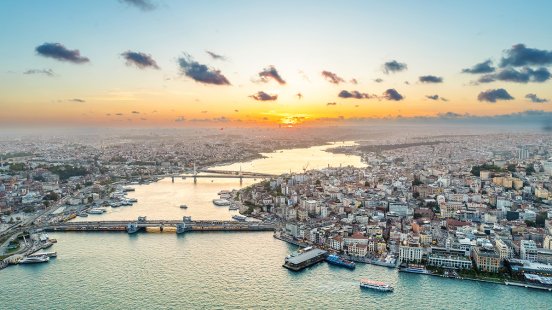
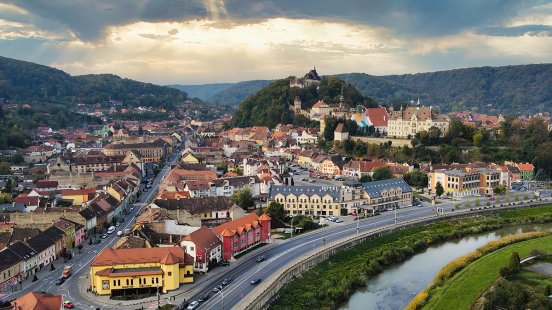
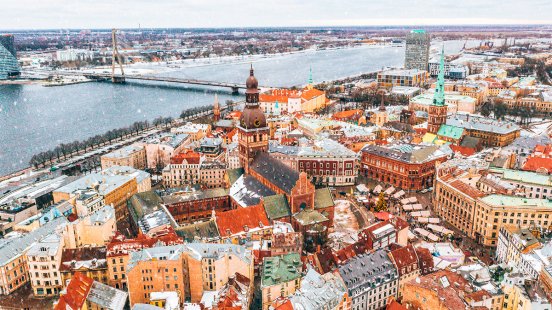
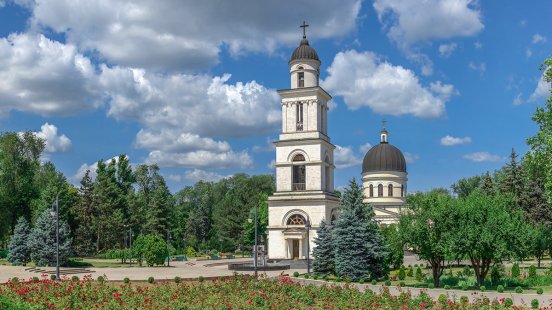
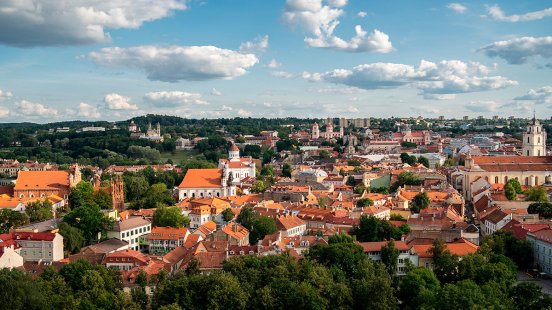
The cheapest country to live in Europe is Turkey (USD 515), followed by North Macedonia (USD 629), Moldova (USD 640), Bosnia and Herzegovina (USD 655), Romania (USD 784), Serbia (USD 977), and Latvia (USD 1,002). These countries offer a high level of comfort without requiring significant expenses for rent or purchasing housing, food, transport, medical services, education and other basic needs.
Safety
Latvia is the safest and cheapest country to live in Europe, ranking 21st in the index by WJP, an international organisation promoting the rule of law worldwide. Romania follows in 41st place, with Moldova at 64th and North Macedonia at 67th. These countries are distinguished by their low crime rates due to the effective work of law enforcement agencies, strict laws and trust between citizens and local law enforcement.
Standard of living
Romania, Serbia, and Moldova hold the 44th, 46th, and 49th spots in the Social Progress Index (SPI). Romania’s EU membership gives its citizens access to a robust legal framework along with modern healthcare and educational systems. The country has a steadily growing economy, creating favourable conditions for living, leisure and investments, as well as professional and entrepreneurial activities.
Relocation opportunities
Romania offers a visa programme for foreign freelancers and remote workers earning at least EUR 3,700 monthly. A Latvian residence permit is available for a business investment of EUR 60,000 or more. North Macedonia offers citizenship for investments starting from EUR 200,000 in the economy, while Turkey provides a citizenship option with a minimum real estate investment of EUR 400,000.
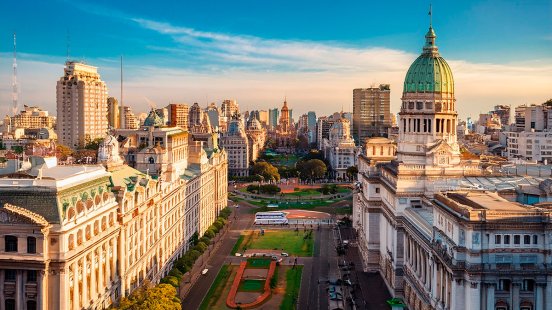
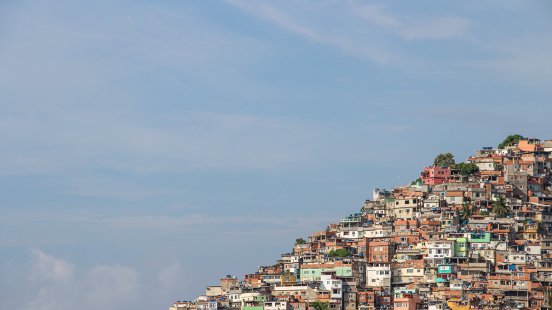
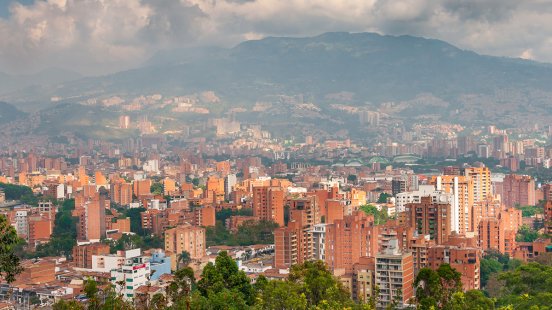
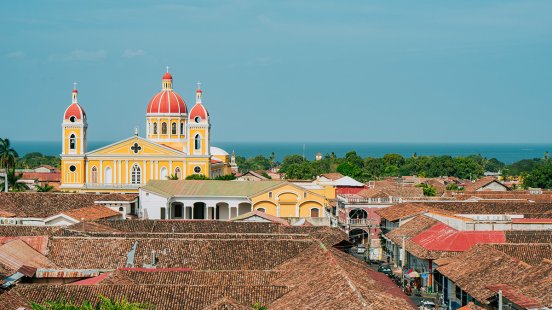
The most affordable countries in the Americas
The cheapest places to live in the Americas include Paraguay (USD 566), Haiti (USD 572), Argentina (USD 603), Nicaragua (USD 642), and Colombia (USD 646). Expats choose them for the affordable cost of living, comfortable conditions for business and work and freedom from strict government regulations. Argentina offers low costs for real estate, transportation and food, while Colombia presents excellent investment prospects.
Safety
The Republic of Costa Rica ranks 29th in the WJP Rule of Law Index, providing robust legal protection for its citizens’ rights. Discrimination based on gender, class, or ethnicity is rare. Costa Rica is one of the cheapest places to live abroad with family, making it a popular choice for families seeking a budget-friendly lifestyle. Argentina ranks 63rd in the index, and Colombia is in 91st place.
Standard of living
According to the SPI, Argentina ranks 41st, followed by Colombia, Paraguay, Nicaragua, and Haiti in 70th, 79th, 115th, and 159th places, respectively. Argentina and Colombia stand out for their high access to education and healthcare, while Paraguay and Nicaragua are known for their low cost of living. These countries also offer diverse opportunities for profitable investments.
Immigration regulations
Argentina offers a one-year retirement visa, as well as a residence permit through investments starting from ARS 1.5 million (USD 1,600). The government also plans to introduce a digital nomad visa in the coming years. Argentina attracts immigrants with its low cost of living, rich culture, tranquil environment, and extensive leisure and recreational opportunities.

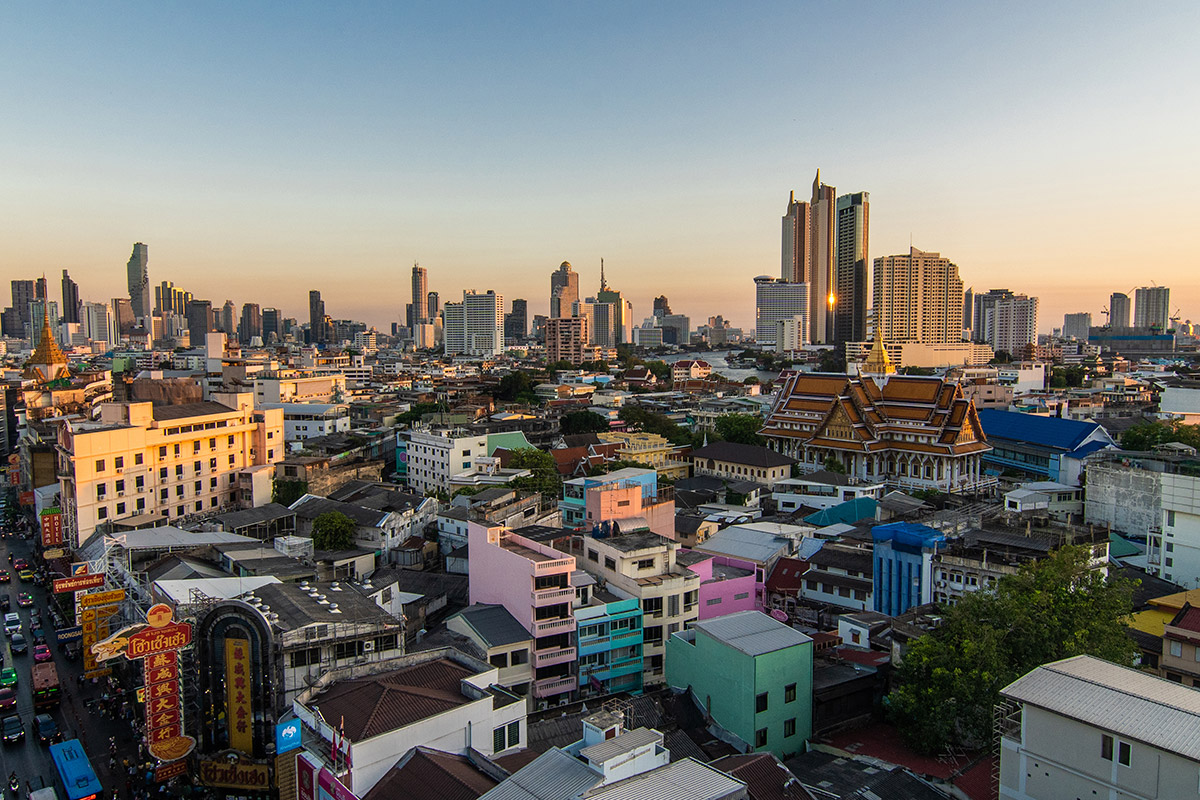
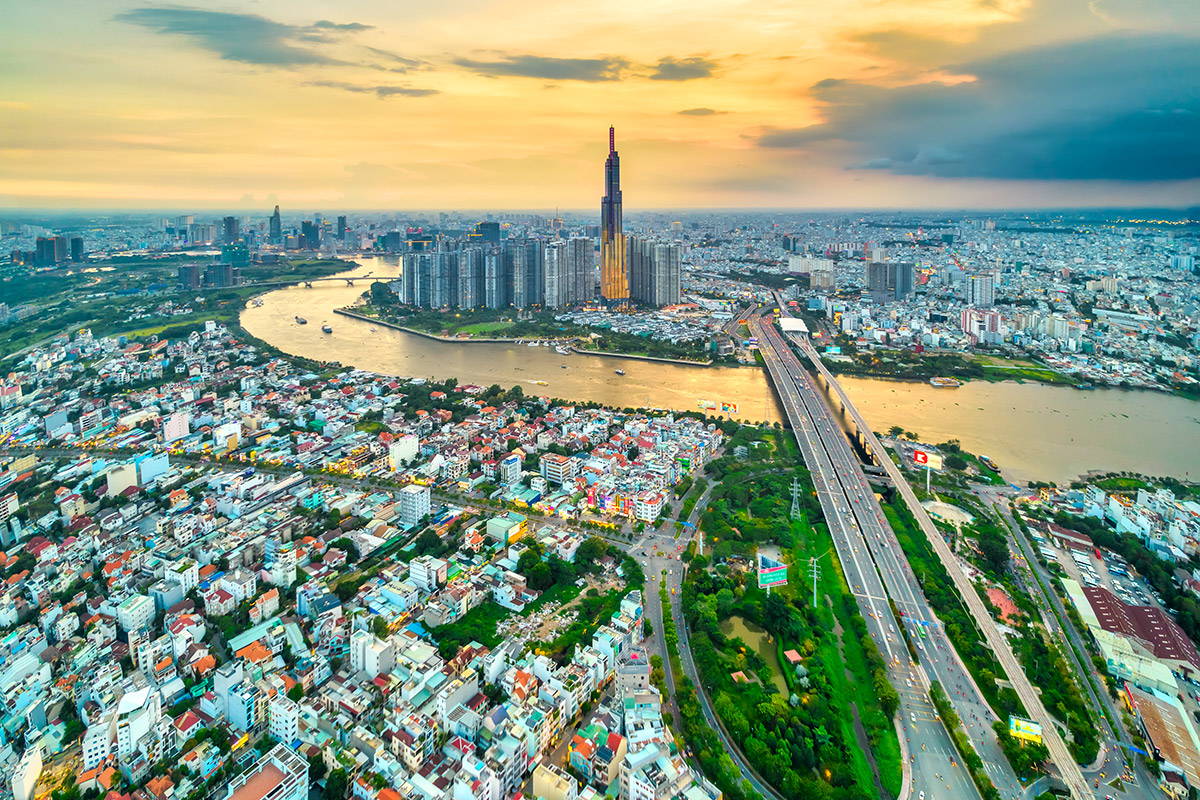
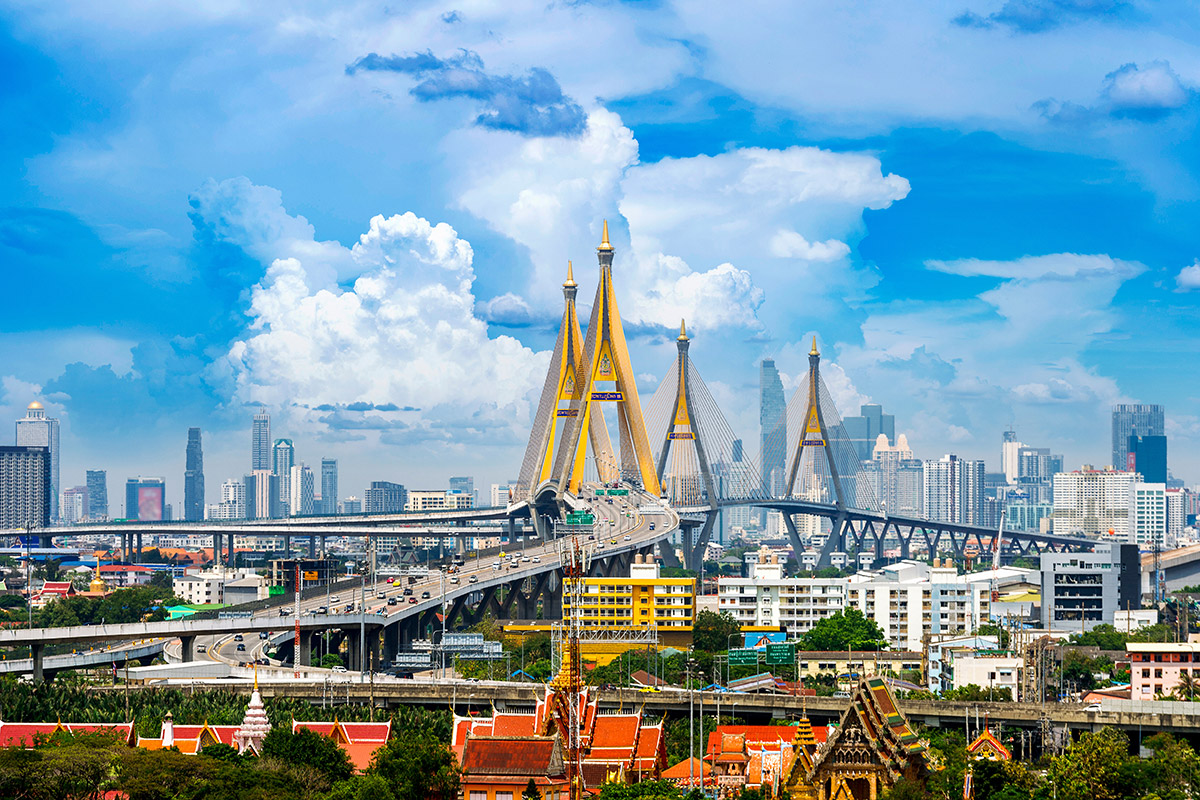
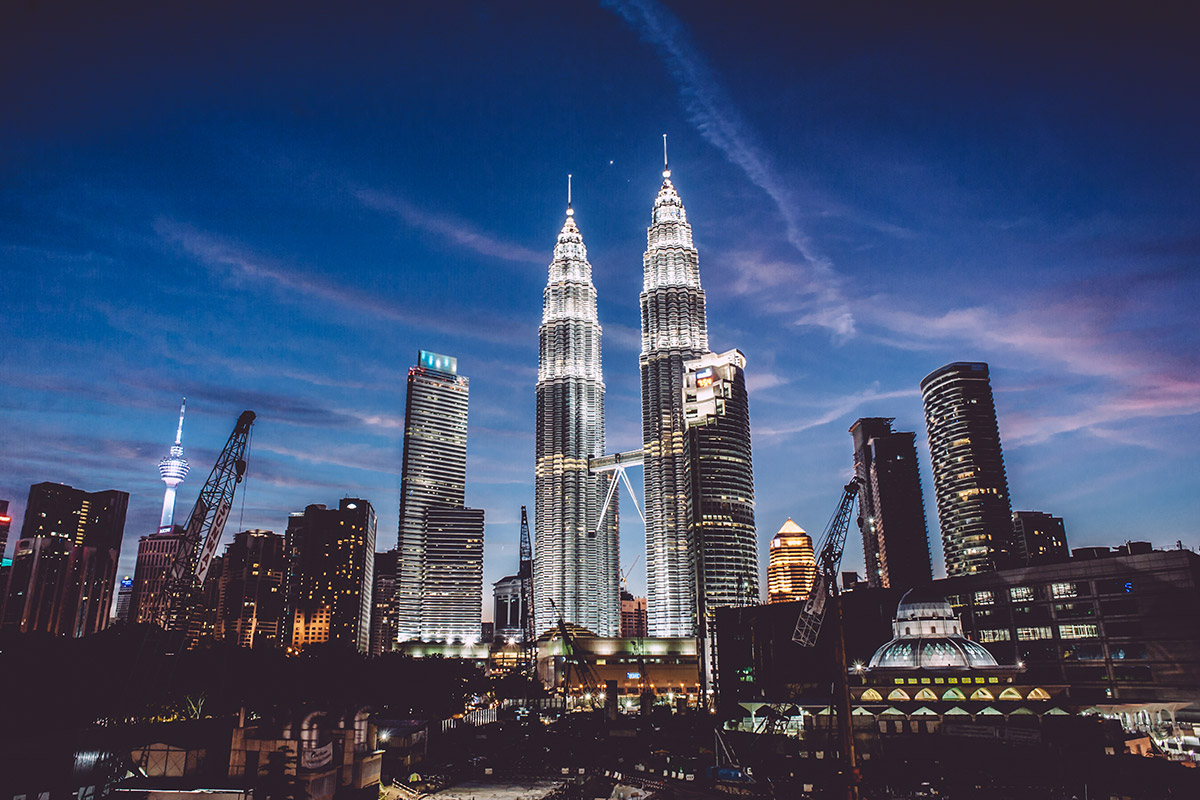
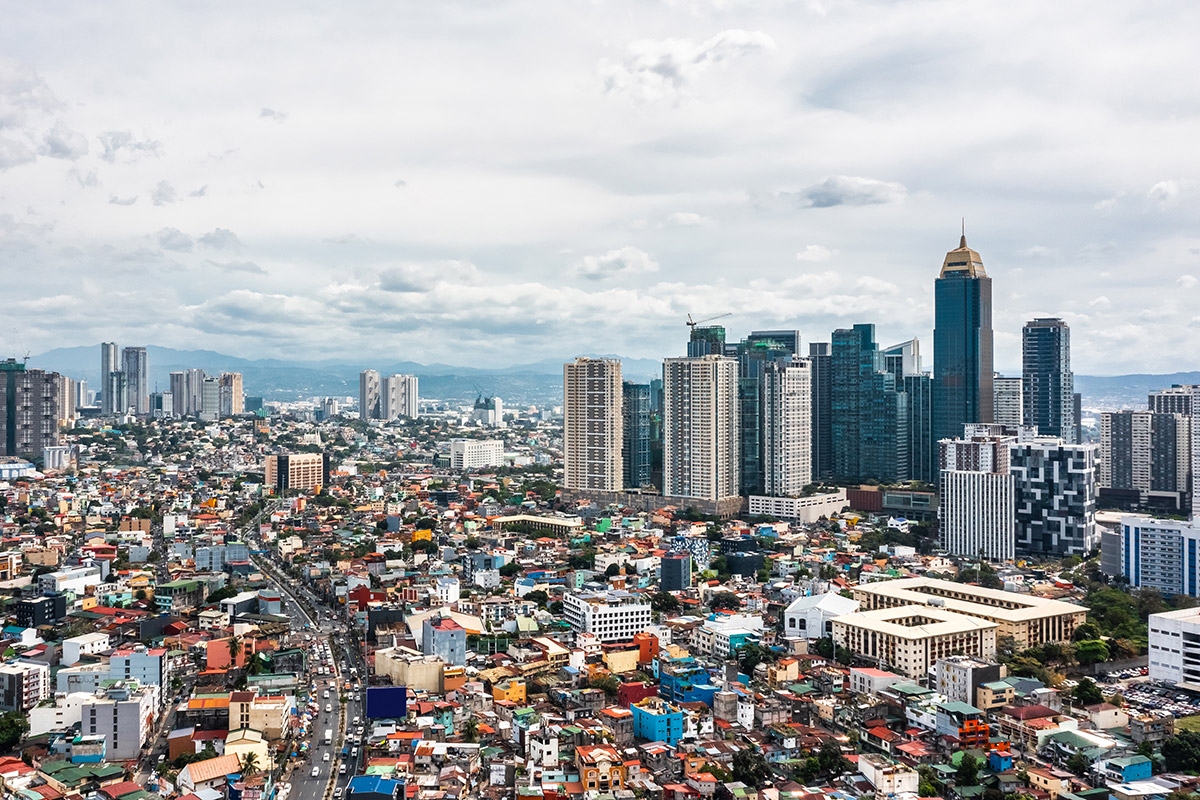
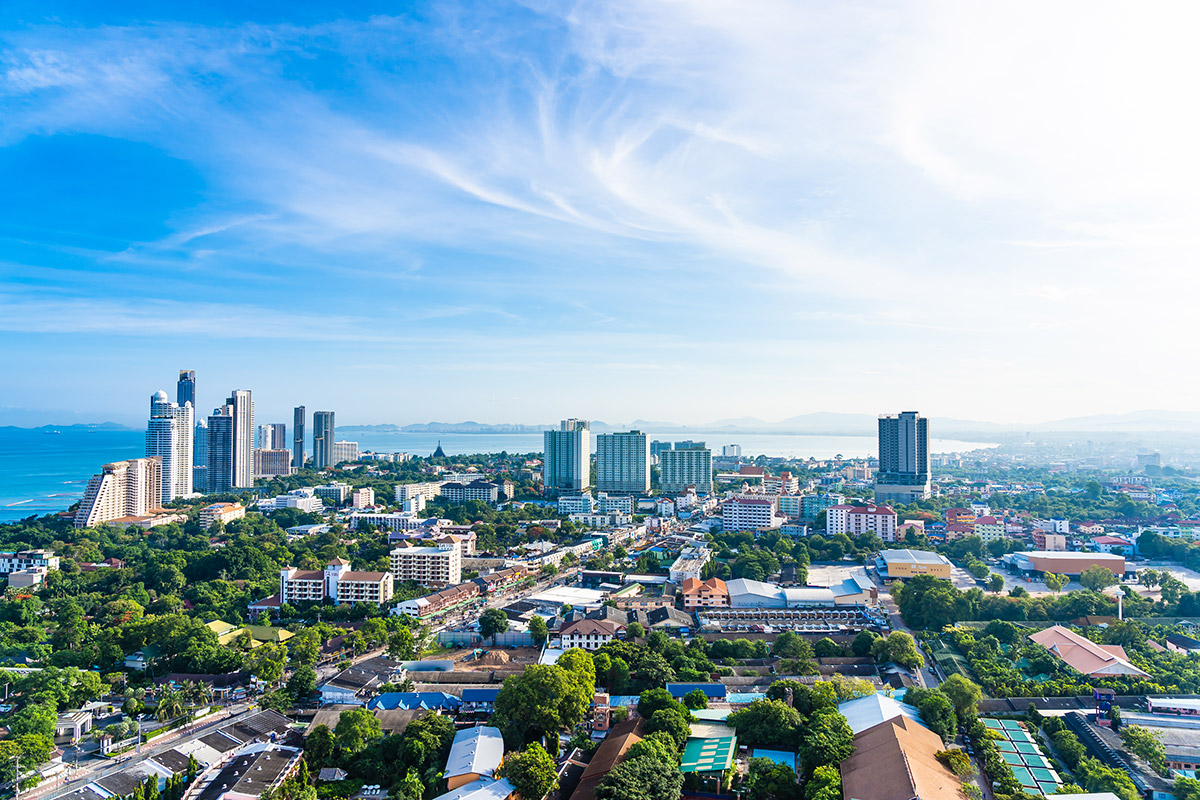
The most affordable countries in Southeast Asia for immigration
Safety
Malaysia, Indonesia and Thailand are the safest nations in the region, ranking 55th, 68th, and 78th in the WJP index. While the risk of violent crime is low, petty crimes such as theft are common. Overall, thanks to the effective work of law enforcement agencies and surveillance systems, residents and travellers can feel safe by taking basic precautions.
Standard of living
Malaysia, Thailand, and Vietnam rank highest in affordable countries for quality of life, taking the 47th, 58th, and 66th positions in the SPI. These states offer numerous opportunities for premium leisure in well-developed beach resorts and tropical forests at affordable rates. Additionally, their international airports offer budget flights across Asia, New Zealand, and Australia.
Immigration regulations
Malaysian, Indonesian, and Thai immigration laws include special visas for retirees and digital nomads. Thailand also offers several residency-by-investment programmes through the real estate sector. Freelancers and remote workers may soon be eligible to legalise their stay in the Philippines. Citizens from various countries enjoy visa-free entry and extended stays in Vietnam, ranging from 15 to 90 days. These measures create comfortable conditions for people coming to the country for work and leisure.

Most affordable countries in Africa to live in
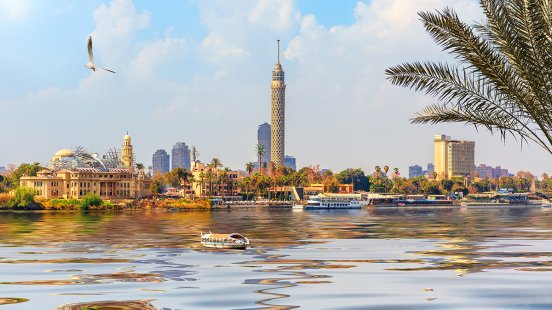
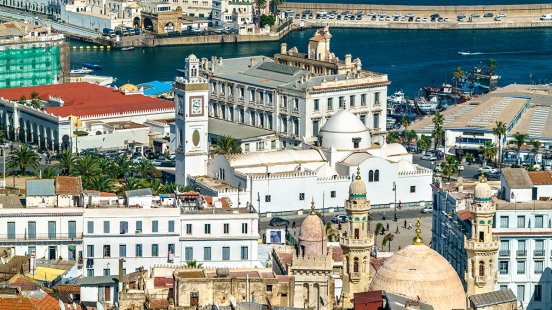
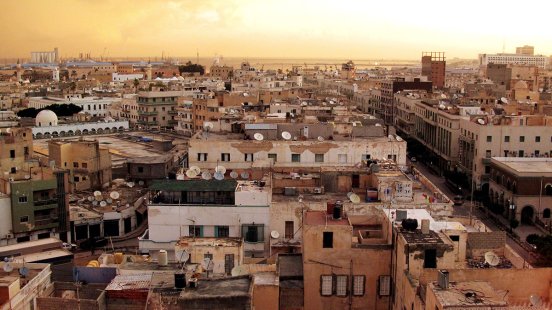
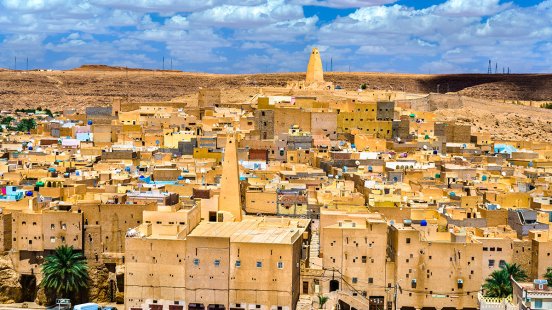
The cheapest country to live in Africa is Egypt (USD 350), followed by Burundi (USD 428), Libya (USD 429), Tunisia (USD 431), and Algeria (USD 439). The continent, with its diverse cultures, exotic nature and unique business opportunities, offers one of the lowest living costs in the world. Despite poverty, crime and military conflicts in some regions, it is possible to find a comfortable place to live here.
Safety
The tourism industry is one of the main pillars of Tunisia’s economy, prompting local authorities to pay special attention to maintaining a high level of safety and actively focusing on minimising threats to travellers and locals. However, as in many African countries, there is a fairly high risk of terrorism. In the WJP index, the country is in 76th place, while Algeria ranks 86th.
Standard of living
Tunisia and Algeria offer the highest quality of life among budget-friendly African nations. In both countries, the population converses with expats and tourists in French rather than English, which more often attracts people from France. In the SPI index, Tunisia is ranked 91st, alongside Bahrain and Saudi Arabia, while Algeria is ranked 97th. Tunisia’s tourist and social infrastructure is more developed, providing comfortable conditions for digital nomads and those planning to stay for an extended period.
Relocation opportunities
Foreigners can obtain Egyptian citizenship for a non-refundable contribution of USD 250,000 or by purchasing real estate valued at USD 300,000. Namibia grants residency permits to real estate buyers with properties worth USD 365,000. Such programmes offer not only the opportunity for legalisation but also prospects for earnings from rental income and capital appreciation. The average return on investment in Egypt can reach 1 per cent annually, and housing prices, adjusted for inflation, increased by four and a half percent in the first quarter of 2024.


How to move to another country for an improved quality of life
In most countries, it is possible to obtain a long-term visa or residence permit for work, study, or family reunification. However, the residency status granted on these grounds often does not suit retirees, remote workers, or digital nomads who wish to travel. It implies a permanent stay in the country. For example, foreign employees and students in most European countries must reside there for at least 183 days a year to be eligible to extend their residence permits.
A strong second passport will ensure travel freedom and allow its holder to avoid needing a visa. Citizens of any EU country can, on average, freely visit over 170 countries. Moreover, they can reside in other EU countries for as long as they wish. A second passport in a Caribbean nation allows travel to over 140 countries.
The fastest way to obtain a second passport in a Caribbean country is through capital investment. Foreign investors can become citizens of Dominica in just 3–4 months by investing from USD 200,000.
In EU countries, a passport can typically be obtained in 5–7 years. However, none of these nations allows citizenship by investment. Foreigners can only apply for resident status and then submit a passport application through naturalisation.
Investors can acquire Maltese citizenship through naturalisation within 1–3 years. To apply for a passport, applicants must meet three investment conditions:
- Make a contribution to the National Development and Social Fund.
- Donate funds to a non-governmental organisation.
- Rent or purchase real estate.
Conclusion on the most affordable countries to live in
The cost of living is one of the main aspects expats consider before moving abroad, leading them to consider the cheapest countries to live in. Many nations offer a high level of safety, comfortable conditions, and low prices for housing, food, transportation, healthcare, and education. In some cases, foreigners can obtain a residence permit or citizenship through investments in real estate, securities, business, or other highly profitable assets.
FAQ
The lowest cost of living in the world is recorded in Pakistan.
Romania, Costa Rica, and Malaysia are among the cheapest places to live overseas, offering a high level of safety.
Thailand and Turkey, offering comfortable living conditions, are the cheapest countries to move to. In addition to low prices, these nations provide developed infrastructure and top-notch recreational facilities.
Switzerland, Hong Kong, and Australia have high income levels, quality education and healthcare systems, a stable political climate, a resilient economy, and a reliable legal framework. However, those seeking more budget-friendly options may prefer the cheapest place in the world to live while still enjoying quality services.
In addition to Pakistan, which is the cheapest place to live in the world, the list of the most affordable places to live in includes Egypt and Nepal.
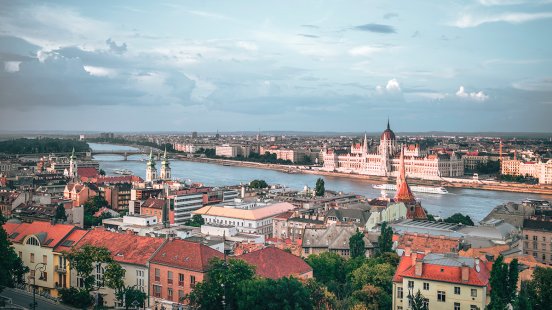
In Hungary, quality medical services are available at relatively low prices, especially compared to other European states. Turkey also offers an affordable healthcare system.
The Netherlands is an excellent option for job seekers.
Switzerland is considered one of the best places to live in.
Trending

Comments