 RU
RU
 DE
DE
 FR
FR
 ES
ES
 PT
PT
 AR
AR


What Is the Difference Between Residence Permit and Citizenship, and How to Obtain Them
Temporary residence permits, permanent residence permits and citizenship differ in terms of rights and eligibility conditions.
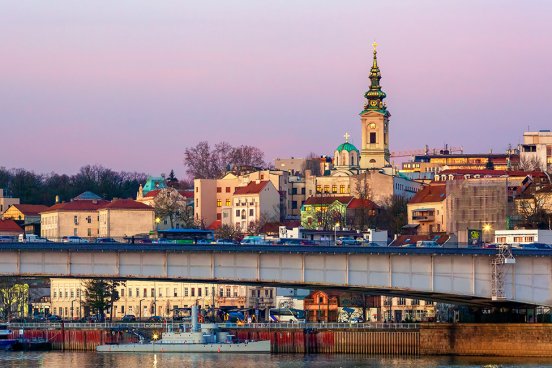
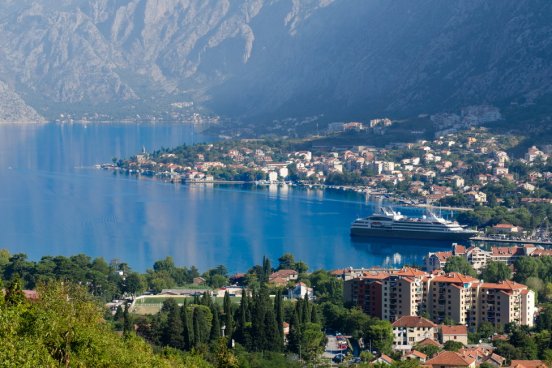
A temporary residence permit allows individuals to reside in a country for a limited period, typically lasting from one to 10 years. Many countries offer the option to obtain a permit through investment. One of the most affordable programmes, requiring a business investment of EUR 60,000, is available in Latvia. In Serbia and Montenegro, purchasing property of any value suffices.
A permanent residence permit grants the right to reside indefinitely. In Panama, it can be obtained through an investment of USD 100,000 in forestry.
Citizenship provides the full range of rights. Passports can be acquired through non-refundable contributions in some countries, such as the Caribbean. In Vanuatu, the starting amount is USD 130,000.
Content
How visas differ from residency and citizenship
A visa is a document that grants the right to cross a border and reside in the country for a specified period. Stickers, stamps, seals, inserts, marks in passports, or labels representing the visa must be obtained in advance. Their validity varies from several days to several months. Some countries have agreements allowing their citizens to obtain visas directly at the airport or enter using their passport.

Each country’s legislation outlines its own rules for obtaining temporary or permanent residency, as well as passports. Currently, the most common grounds for legalisation include:
- Purchase of one or more properties;
- Direct investment in the economy;
- Establishing a business and creating jobs;
- Marrying a citizen of the country;
- Employment;
- Enrolment in a university;
- Family reunification;
- Conducting official activities on behalf of international organisations;
- Demonstrating special merits before the state.



What is a Golden Visa?
A Golden Visa is a type of residence visa offered by various countries to attract investors, entrepreneurs, skilled professionals, and other categories of individuals who can contribute to economic development. Many nations have programmes that allow wealthy foreigners to become residents through investments in real estate, securities, or businesses.
“The concepts of residence permits and visas differ significantly, so the term ‘Golden Visa’ can mislead those who are uninformed. In some countries, the residence card has been termed this way by analogy with a golden passport. Therefore, it has nothing to do with standard visas issued for crossing borders,” explains Tatiana Zarnitskaya.
What is a residence permit and how to obtain one
What is a residence card? A residence permit, meaning the official authorization for a foreign national to live in a country without citizenship, typically allows individuals to reside for an extended period, sometimes up to 10 years, with the possibility of renewal if certain conditions are met.
Typically, holders of residence permits are allowed to enter the country at any time, own property, obtain health insurance, enrol children in educational institutions, and use banking services. Residents of EU member states can also stay in the Schengen Area for 90 days every six months without prior visa acquisition.
To obtain a residence permit, certain conditions must be met. The most common grounds include employment, enrolment in a university, marrying a citizen of the country, or making investments. Investment, in particular, is popular, as such permits can usually be obtained and renewed through a simplified procedure.
Some European countries also allow wealthy foreigners to apply for a resident permit for financially independent individuals. In most cases, this document does not confer the right to employment. Holders may receive passive income abroad, such as dividends from securities or rental payments.
Countries where you can obtain residency
| Country | Conditions for Obtaining a Residence Permit |
|---|---|
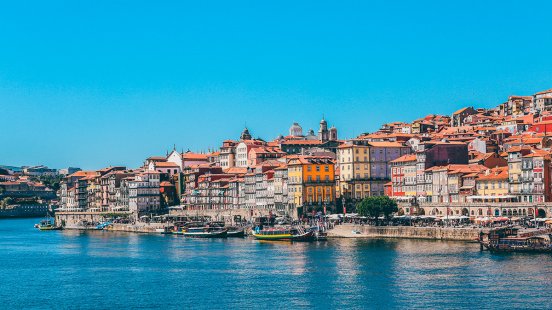
| Portugal | Portugal offers temporary residency in exchange for capital investments starting from €500,000 or investments in businesses that create at least 8 jobs in low-density population areas, or 10 jobs in standard regions. |
| Greece | Buyers of Greek residential properties worth from €400,000 or €800,000 (depending on the region) are eligible to apply for residency. Alternatively, residency status can be obtained by purchasing property for renovation worth at least €250,000. |
| Malta | In Malta, foreign nationals can become residents by renting a property for a minimum of €12,000 per year. |
| Austria | An Austrian residency permit is available to financially independent foreigners who can prove they have sufficient funds to live in the country. The minimum required amount can vary between €27,000 and €100,000, depending on the size of the family. |
| Spain | Foreign buyers of property in Spain worth at least €500,000 can obtain residency. Local legislation also allows individuals to become residents in exchange for investments in shares and mutual funds, opening a deposit of at least €1 million, or purchasing government bonds worth at least €2 million. |


Who can obtain residency
Each country sets its own criteria for residency applicants. When applying for a residence permit in exchange for capital investment, the main applicant must be an adult, with no criminal record, outstanding debts, or serious illnesses. In many countries, alongside the investor, the following family members may also obtain residency:
- Spouse or civil partner.
- Minor children.
- Financially dependent adult children.
- Financially dependent parents, siblings.
How to choose a residency programme
When choosing a country for obtaining residency, one should consider their goals and preferences:
- For immigration to a country with a high quality of life, the Swiss and Austrian programmes are ideal.
- For regular holidays in warm climates with beautiful scenery, Spain, Portugal, or Greece are recommended.
- Entrepreneurs and skilled professionals often become residents of Spain and Portugal.
- Malta attracts investors looking to optimise taxes.
- One can become a citizen of an EU country after 5 years of holding Portuguese residency.
What is permanent residence and how to obtain it
What is a permanent resident? A permanent resident is someone who holds a permit allowing them to live indefinitely in a country. Although the status itself does not expire, the residence card must be renewed periodically. In most cases, permanent residency is granted after maintaining temporary residency for a certain period.
A permanent residence permit grants foreign nationals almost the same rights as citizens. Permanent residents can live in the country, be employed, run a business, and enjoy social benefits, such as enrolling their child in a free school or kindergarten.
Countries where you can obtain permanent residence
- In Malta, permanent residence is available to foreign nationals with assets worth at least €500,000. They must pay an administrative fee of €40,000 and either rent a property at a rate of at least €10,000 or €12,000 per year (depending on the region) or purchase property worth at least €300,000. Additionally, they are required to make a non-refundable contribution (€28,000 for property buyers, €58,000 for tenants) and donate at least €2,000 to a non-governmental organisation.
- Foreign nationals with an annual income of at least €50,000 can obtain permanent residence in Cyprus in exchange for investments starting from €300,000. The immigration programme allows the purchase of newly built housing, commercial properties, shares, and mutual funds.
- Permanent residency in Panama can be obtained through investments in environmentally sustainable projects, such as reforestation and afforestation, with a minimum contribution of USD 100,000. An alternative option is investing USD 160,000 in a local business, provided it creates at least five jobs and obtains an operating licence. For property buyers, the minimum investment threshold is USD 500,000.
In many countries, permanent residence can also be obtained after living for several years with residency. These countries include Portugal, Germany, Spain, Italy, Thailand, and many others.
What is citizenship and how to obtain it
A foreign national can become a resident with a passport gaining the same rights as citizens and fully integrating into the local society. Some countries grant citizenship by the right of soil and/or descent, while others offer it in exchange for capital investment, through naturalisation after a period of residency or permanent residence or via marriage.
Countries where citizenship can be obtained
| Country | Conditions for Obtaining Citizenship |
|---|---|
| Malta | Maltese legislation allows foreign nationals to obtain citizenship if they meet the following conditions: residing with a residence permit for 1 or 3 years, making a contribution to the National Development and Social Fund, donating €10,000 to a non-governmental organisation, purchasing property valued at a minimum of €700,000, or renting for 5 years with an annual rent of at least €16,000. The size of the contribution determines the time frame in which the foreign national can apply for a passport: €600,000 after 3 years or €750,000 after 1 year. |
| Antigua and Barbuda | When buying property in Antigua and Barbuda, citizenship can be acquired if the purchase price is at least $300,000. The island nation also grants passports in exchange for a contribution of $230,000 to the National Development Fund, a donation of $260,000 to a university, or an investment of $400,000 in a business. |
| Turkey | Foreign nationals may invest a minimum of $400,000 in real estate in Turkey. The republic also offers citizenship through an investment of $500,000 in a business, bank deposit, shares, or government bonds. |
What to choose: temporary/permanent residence or citizenship
When choosing between a green card vs citizenship, a foreign national should consider their goals, desires, financial capabilities, family circumstances, and a host of other factors. A key determining factor is the legislation of the country selected for immigration. For instance, Malta allows one to apply directly for either a residence permit or permanent residence. In Spain, Greece, and Portugal, only a residence permit can be obtained initially, with the option to apply for permanent residence and citizenship after several years of living in the country.
It should be noted that certain categories of residency permits do not automatically grant the right to work. Holders of visas for financially independent individuals are generally prohibited from working in the country, while a business residence permit only allows for entrepreneurial activities.
Advantages of a Caribbean Citizenship
Let’s consider the main benefits of Caribbean citizenship:
- Freedom of movement: A Caribbean passport provides access to visa-free or simplified entry to over 140 countries, including the European Union and the United Kingdom. This makes it a valuable asset for frequent travellers, whether for business or leisure. The Grenadian passport, in particular, is attractive, offering the opportunity to apply for a business visa to the United States;
- Favourable tax system: Many Caribbean countries have no taxes on worldwide income, inheritance or gifts. They also offer low corporate taxes. These features make citizenship in one of these countries appealing to entrepreneurs and investors looking to optimise their business or personal income taxation;
- Opportunities for investors: Investment programmes allow foreigners not only to obtain a second passport but also to make profitable investments in real estate, the economy or social projects. They can invest in luxury resorts, hotels and residential complexes, which often provide opportunities for rental income or capital appreciation;
- Simplicity of application: The citizenship application process typically takes about six months. Significant advantages include the absence of language or history tests and the ability to apply remotely. This makes Caribbean programmes convenient for busy individuals who cannot afford to engage in lengthy legalisation procedures and value their time;
- Safety and political stability: Caribbean countries are known for their stable political systems, low crime rates and safe environments. This is an important factor for those considering them not only as a passport option but also as a place to live or vacation;
- High quality of life and favourable climate: Warm weather, well-maintained beaches, excellent environment and beautiful natural surroundings make Caribbean countries ideal for relocation or seasonal living. The developed tourism infrastructure also contributes to a high level of comfort and favourable investment conditions in the region;
- Inherited citizenship: Citizenship obtained through investment in Caribbean countries can be passed on to descendants. This makes it an asset for families who wish to provide their children with the opportunity to live and work abroad;
- Access to the British education system: Caribbean countries are part of the Commonwealth of Nations, so their citizens can benefit from privileges when applying to British universities, including reduced tuition fees. This status makes obtaining higher education in the United Kingdom more accessible. Additionally, the collaboration between educational institutions in the Caribbean and British universities opens further opportunities for students.
FAQ
A visa grants the right to enter and stay in a country for a short period of time.
The main differences between permanent residency and temporary residency are as follows:
- Permanent residency is indefinite, but the foreign national must renew the card every 5–10 years. The status of a temporary resident and its corresponding card must also be renewed when they expire, but this procedure requires more documentation.
- Permanent residency grants the right to work, while only certain categories of temporary residency allow employment.
- The process of obtaining permanent residency is generally more complex than that of temporary residency.
The final choice depends on the foreign national’s goals. Holders of both temporary and permanent residence permits can enter the country without needing a visa and reside there, but they cannot work in government services or participate in elections. They also have access to education, healthcare, banking, and other systems.
There is no limit to the number of permanent residencies a foreign national can hold. The main requirement is that they must declare all the countries where they hold residency and/or citizenship when applying. It is important to note that maintaining the status requires complying with the rules set by each country’s laws. In many countries, permanent residents are required to reside there for at least 183 days per year. In this case, it may not be possible to maintain two permanent residencies simultaneously.
European countries offer many ways to obtain residency, including employment, university enrolment, or investments. Notably, investment programmes are available in Spain, Greece, and Portugal.
A residency status allows free movement within the territory where it was granted. Additionally, with residency in certain countries, you can travel within visa-free zones that they are part of. For example, the Schengen Area includes 29 countries, so with residency in one, a foreign national has the right to visit all the others.
The duration of a residence permit (resident card) depends on the basis on which it was issued. In most countries, it can vary from 1 to 10 years.
Permanent residency is indefinite. The status does not require renewal, but the residency card must be updated periodically.
The choice of country to obtain a second passport depends on your goals. These may include visa-free travel around the world, access to a favourable tax system, and so on.
Today, more than 100 countries allow their citizens to hold dual citizenship. These include Canada, France, the UK, Antigua and Barbuda, Vanuatu, Grenada, the Maldives, and Saint Lucia.
In many countries, foreign nationals obtain a temporary residence permit to be eligible for permanent residency after a few years of living there.
The fastest residency schemes are available in:
- Portugal;
- Greece;
- Malta;
- Austria;
- Spain.
Permanent residency in exchange for investments can be obtained in Malta and Cyprus.
Malta, Antigua and Barbuda, and Turkey grant citizenship to investors through a simplified process.
Trending

Comments