 RU
RU
 DE
DE
 FR
FR
 ES
ES
 PT
PT
 AR
AR

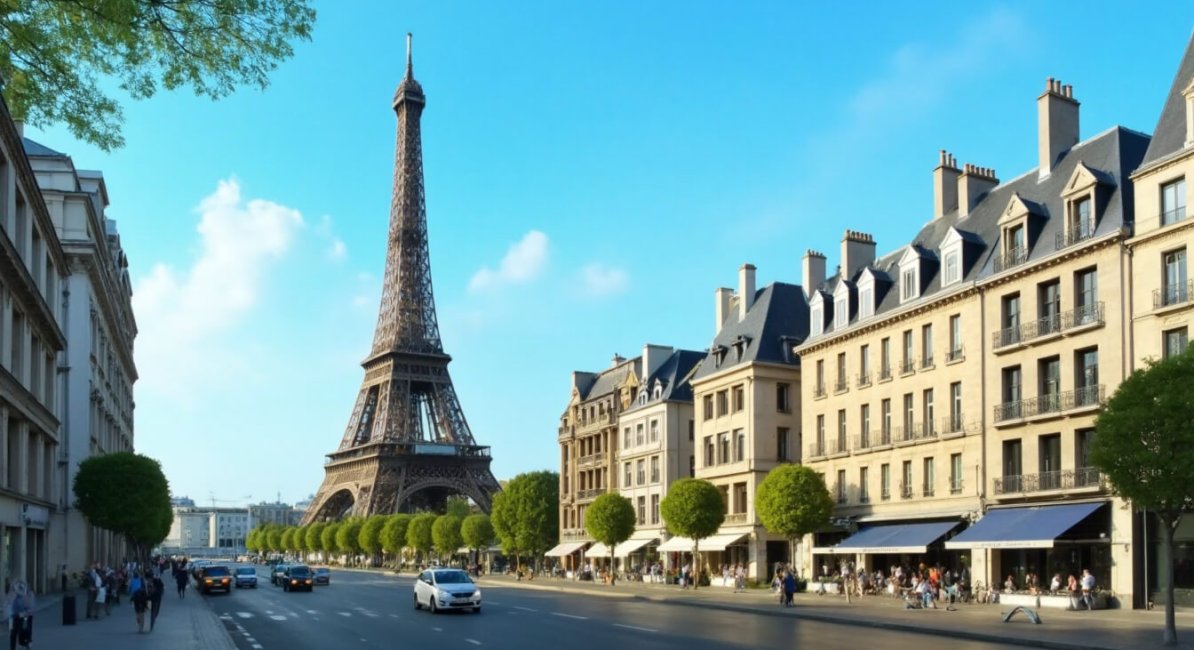
The French property market continues to see a decline in prices and an increase in purchasing power
The French property market ended 2024 with a significant decrease in transactions. According to the Сointribune source, only 750,000 sales were registered, compared to 1.2 million in 2021. The fall was 17% relative to 2023. Such dynamics are associated with a complex of unfavourable factors. The main one was the political instability that arose after the dissolution of Parliament in June 2024.
House prices fell by an average of 3.9%, which led to a slight increase in purchasing power by 4% in one year. However, experts note that this increase is not evenly distributed. High-income families have been in a better position thanks to affordable loan rates of 3%, which are offered exclusively to wealthy customers. At the same time, the middle class is facing difficulties in obtaining credit facilities.
Construction companies are trying to stimulate demand by offering discounts and incentives, which helped to slow down price reductions towards the end of the year. At the same time, the value of single-family homes continues to decline. Prices in this segment have been falling throughout 2024, with an annualised decline of 1.5%.
In large cities such as Bordeaux, Lyon, Nantes, Paris, and Toulouse, secondary home prices are also falling significantly. This month-to-month decline is particularly pronounced in the city centres compared to the suburbs. The cost gap between the centre and the outskirts remains significant, reaching 30% within Greater Paris and between 10 and 15% in other large cities.
Meanwhile, the provinces have seen prices rise. In localities with more than 40,000 inhabitants, secondary housing prices increased by an average of 5.8%. This trend gradually covers cities with more than 100,000 inhabitants, such as Amiens, Besançon, Caen, Dijon, Lille, Limoges, Saint-Etienne, Toulon, and Tours. According to expert forecasts, major cities such as Aix-en-Provence, Brest, and Montpellier will soon be affected by the rise in price.


Comments